
LIBYA-FRANCE
BUSINESS forum
2026
Palais de la Bourse | Marseille | April 14th, 2026
Business France Headquarters | Paris | April 16th, 2026
LIBYA-FRANCE BUSINESS FORUM 2026
A dynamic recovery
Libya’s economy depends almost entirely on oil and gas exports. In 2021, the country made significant progress, reflected in a strong rebound in oil production. As a result, GDP grew by around 123.2% of GDP in 2021, against a backdrop of strong recovery in oil prices and domestic oil production. However, this dizzying growth resumed a more normal trajectory, stabilizing at 5.5% in 2023.
An economy based on consumption
Libya’s population of 6.5 million, with its high purchasing power, includes a workforce of 2.5 million. Agriculture’s share of the Libyan economy is negligible, accounting for 1.8% of GDP and employing 16.4% of the working population (World Bank). Main products include wheat, barley, olives, dates, citrus fruits, vegetables, peanuts, soybeans and livestock. Arid climatic conditions and poor soil quality severely limit agricultural production, making Libya a net importer of food products. The local population’s high propensity to consume, combined with their purchasing power, offer French food exporters opportunities to seize. For example, the Tripoli region alone consumes more food than the entire population of Tunisia.
Hydrocarbons drive Libyan economy
Industry is the backbone of the Libyan economy, thanks to the country’s strong petrochemical industry. It accounts for 77.5% of GDP and employs 24.4% of the working population (World Bank). Production includes oil, petrochemicals, aluminum, iron, steel, food processing, textiles, handicrafts and cement. Although Libya’s petrochemical industry, and in particular the country’s oil exports, were negatively impacted by the pandemic and the fall in oil prices, the sector has shown signs of recovery since 2021.
Services account for 20.7% of GDP and 59.1% of total employment (World Bank). Although this is the second largest sector in Libya, important industries such as tourism and retail are clearly underdeveloped. Financial services and transportation, however, account for a significant share of the service sector. Although the effects of the pandemic were felt in the service sector in 2020 and 2021, the sector was not as hard hit as industry.
A rebuilding country
Libya’s infrastructure and construction landscape is undergoing a major transformation. Ihya Libya’s Vision 2030 aims to connect all cities with high-quality roads, communications networks, electricity and water supplies, while providing state-of-the-art social facilities. Urbanization is progressing rapidly, with a significant proportion of the population living in urban areas, requiring the provision of adequate housing, drinking water and employment opportunities. The construction sector, particularly in Misrata, is growing rapidly, thanks to private investment and contributions from the public sector, with the aim of creating jobs and attracting foreign investors. However, the country faces challenges due to the damage caused by the conflict, which is impacting on essential infrastructure and basic social services, with a substantial need for reconstruction and development. Projects to build new railroad lines and ports are also underway, reflecting the desire to strengthen transport and logistics capacities.
Finally, the health sector in Libya has faced significant challenges, not least due to political and economic instability. The World Health Organization’s 2020 report highlighted strategic issues such as the need to support service delivery, strategic decision-making, and planning and strategy development. In response, the Libyan Ministry of Health launched the National Primary Health Care Strategy 2023-2028, focused on strengthening health services and improving population health. This strategy is aligned with the WHO’s approach to achieving universal health coverage through primary health care, multi-sectoral action and community empowerment.
By participating, you will :
- Understand how to do business in a country with Africa’s largest proven hydrocarbon reserves
- Discover opportunities in your business sectors
- Meet Libyan public and private companies with projects and needs.
EVENT HIGHLIGHTS
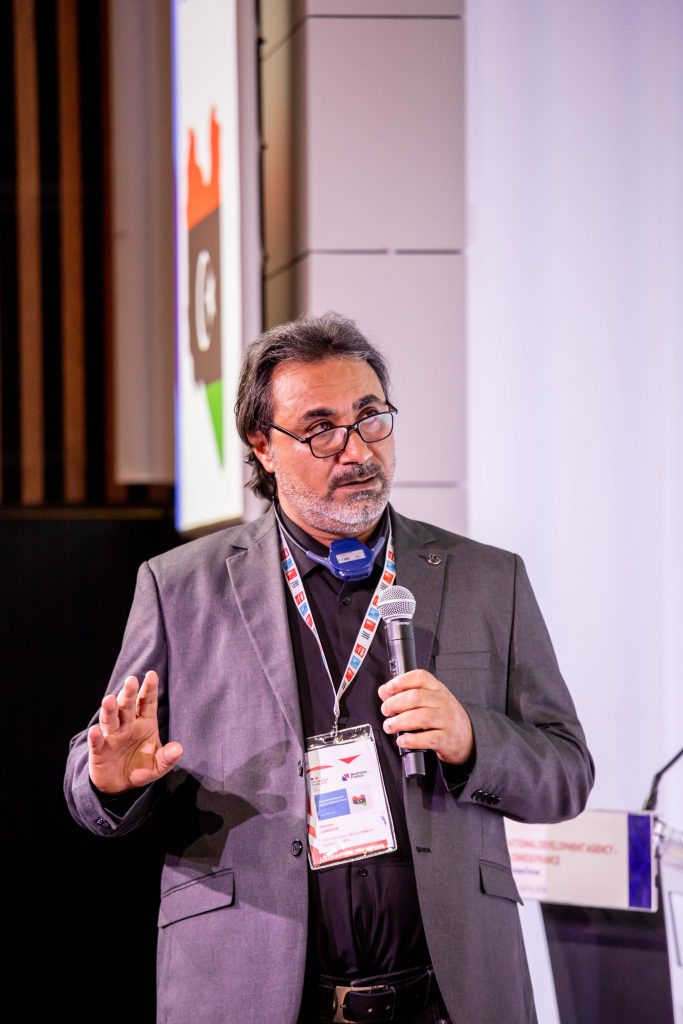
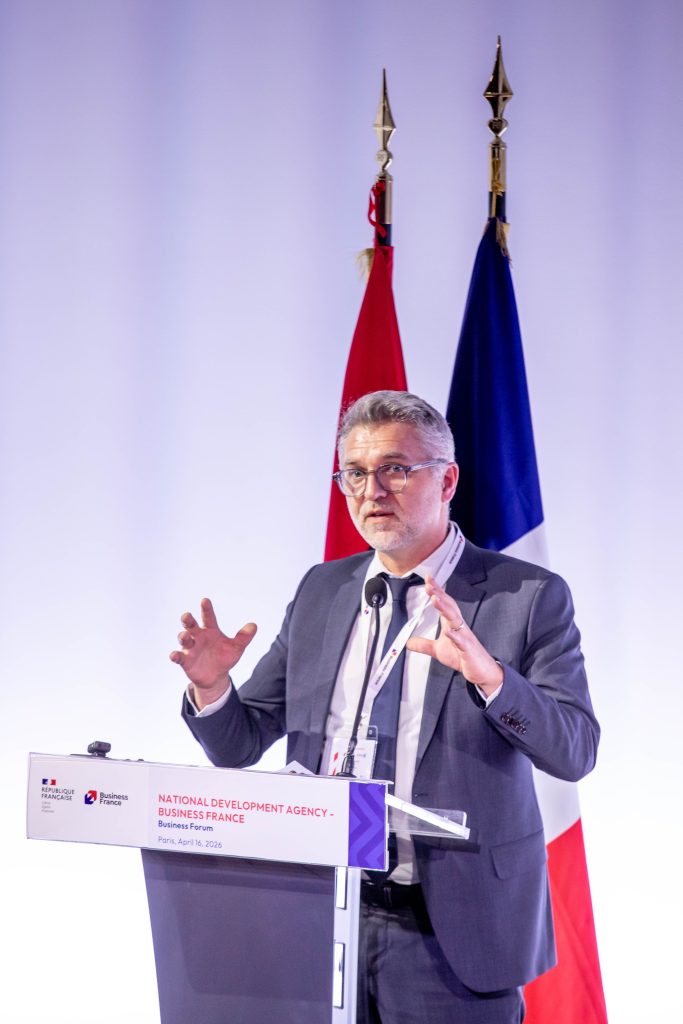
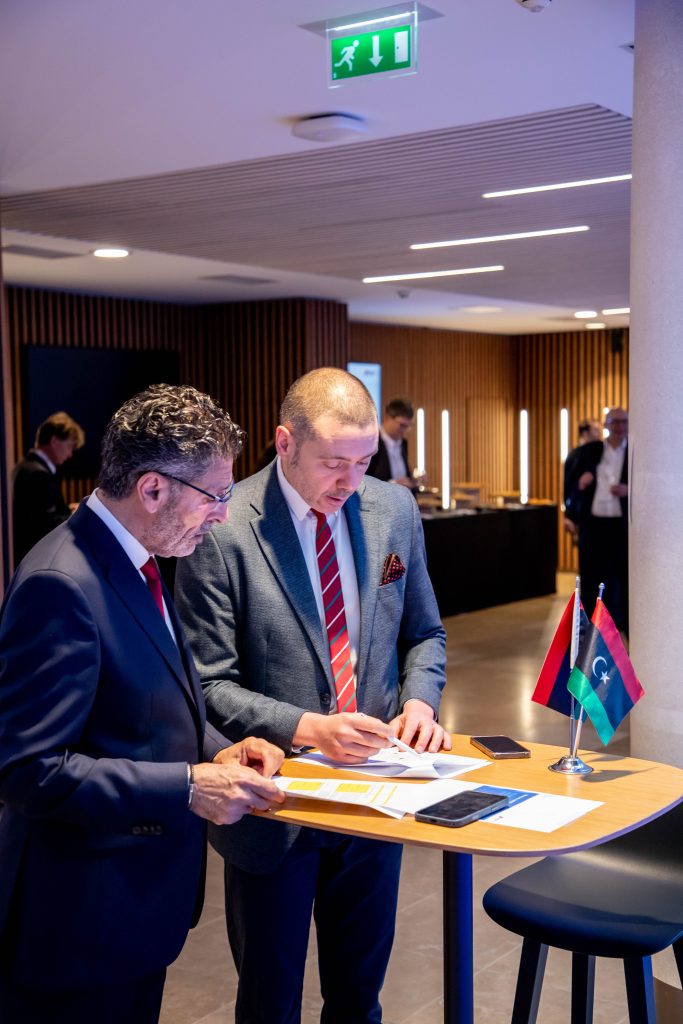
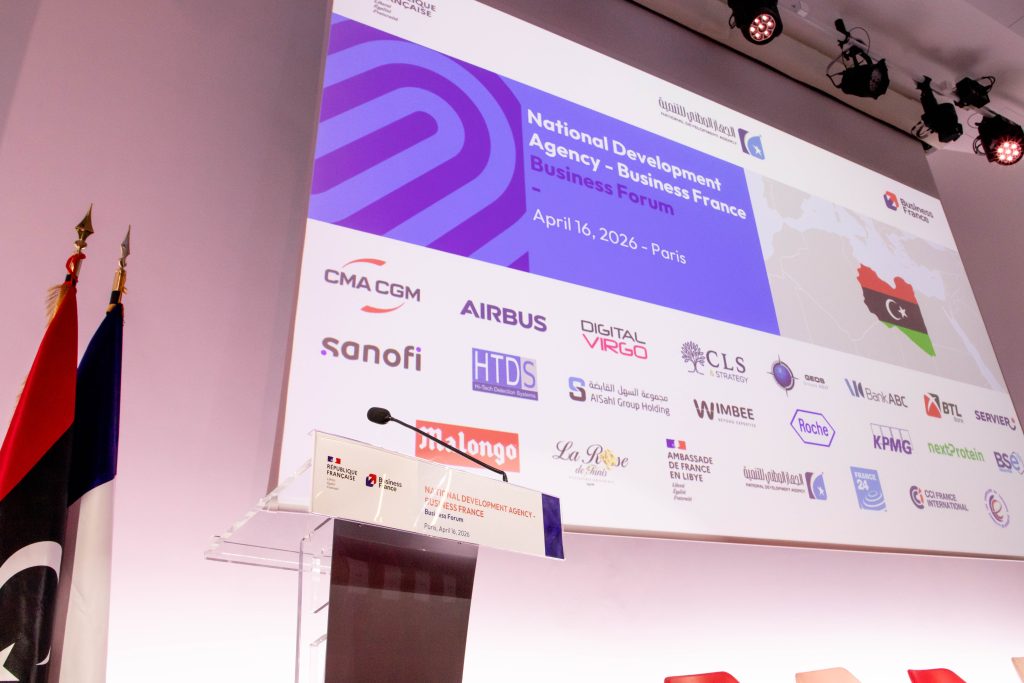
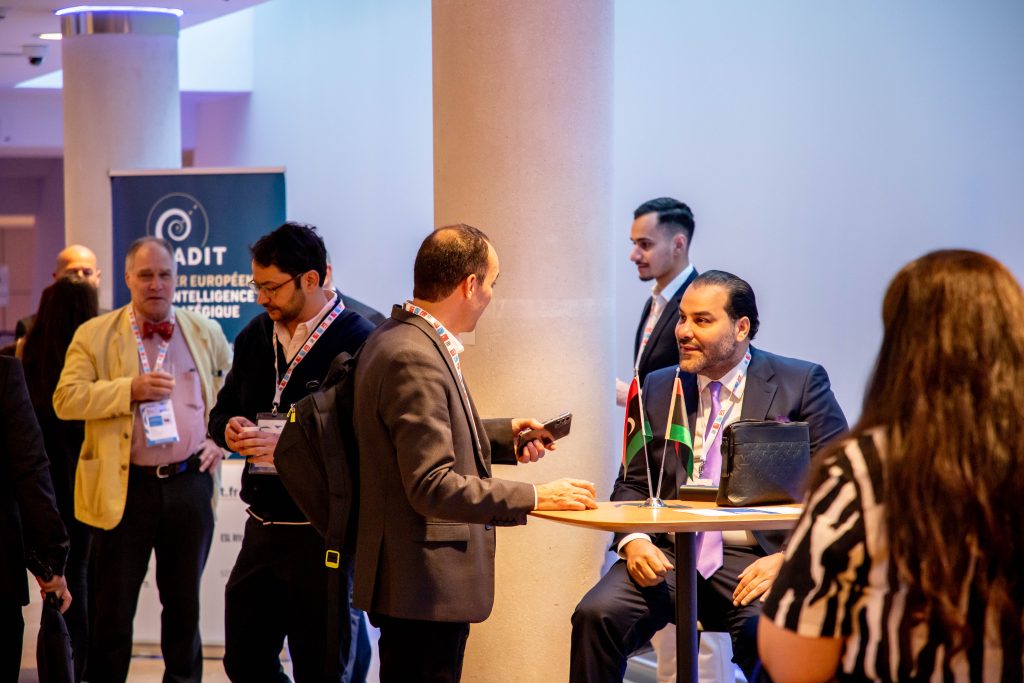
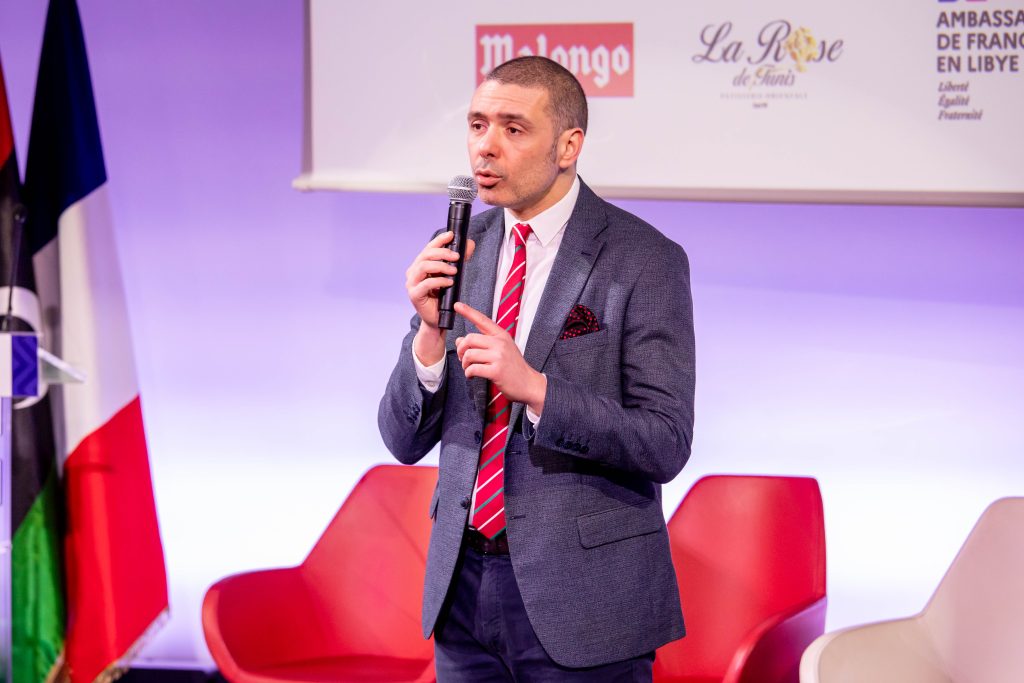
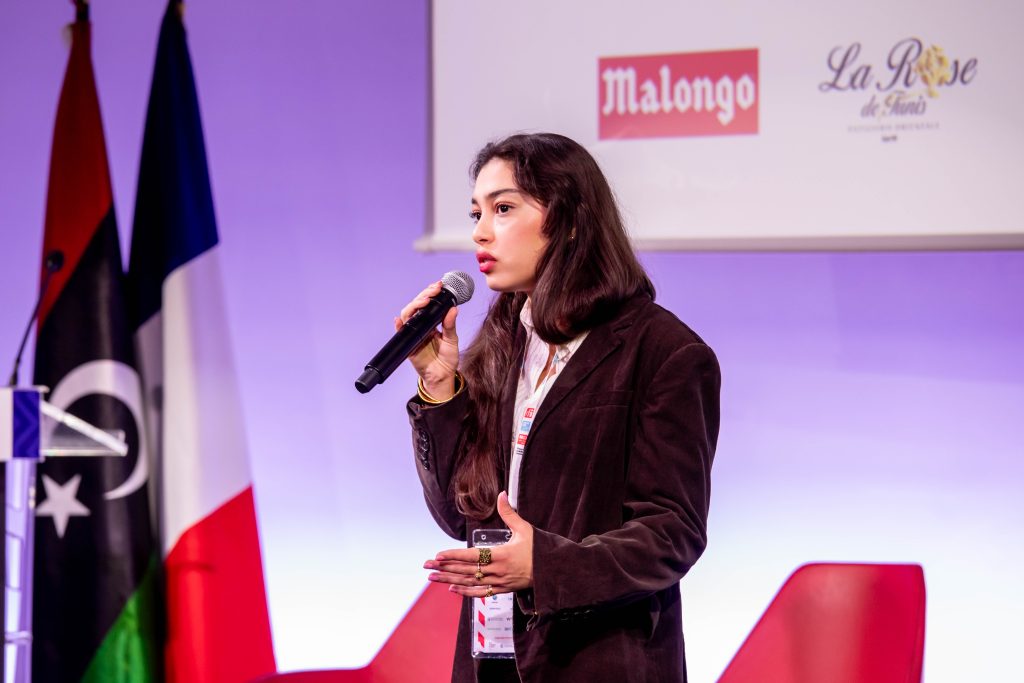
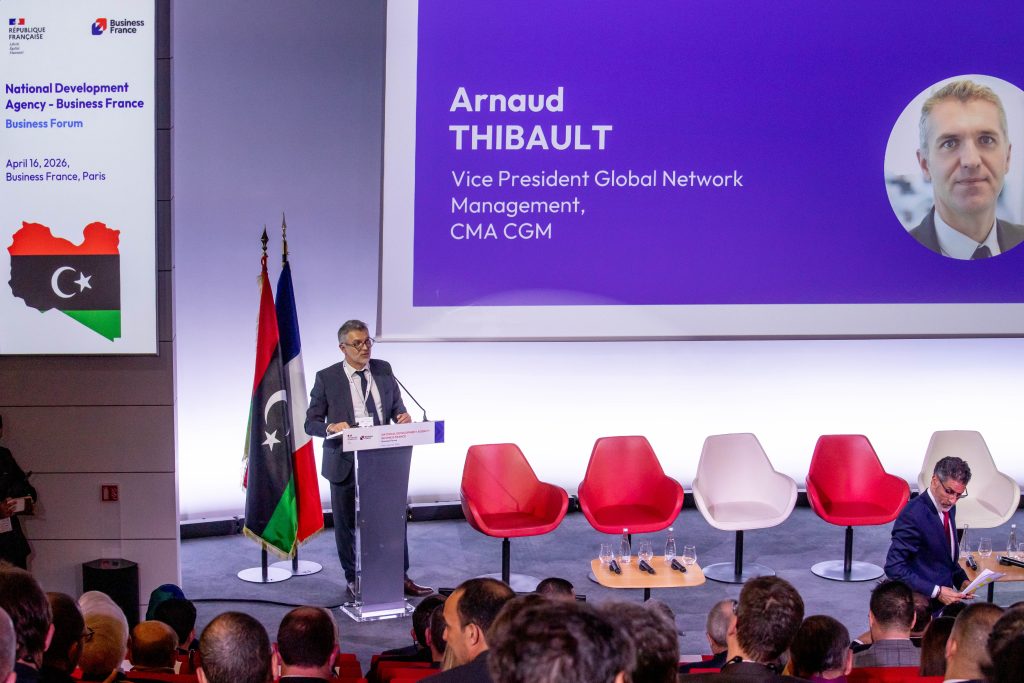
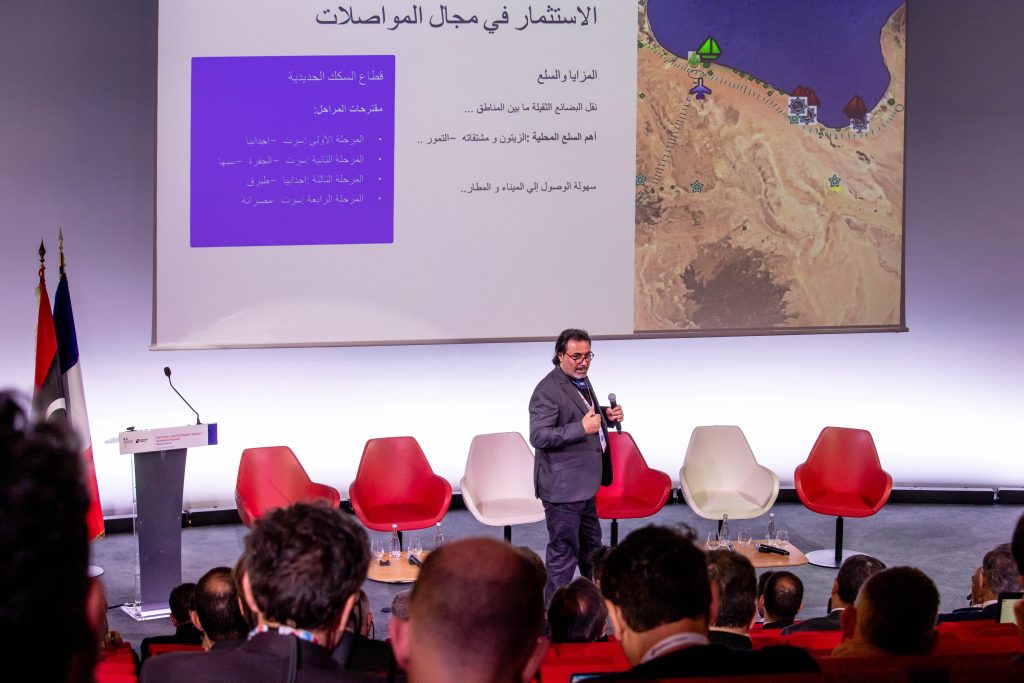
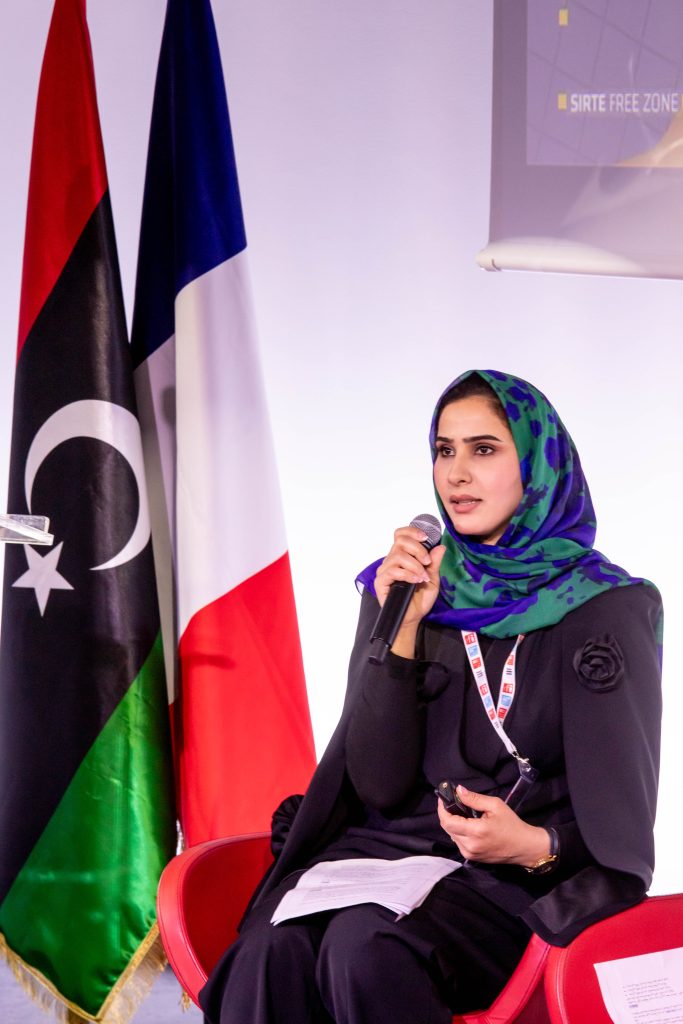
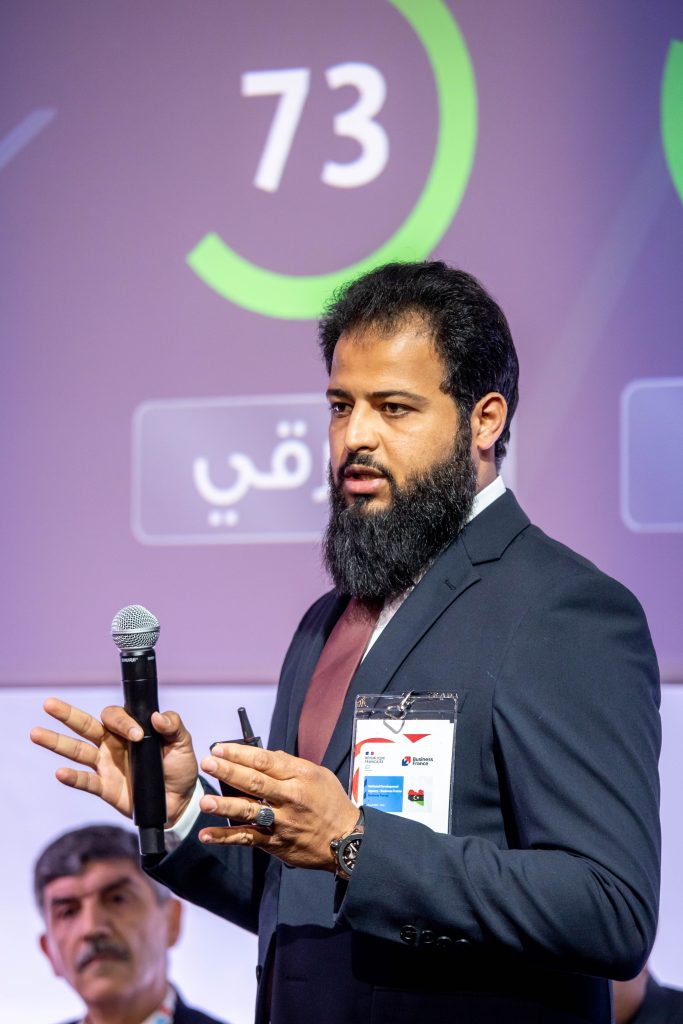
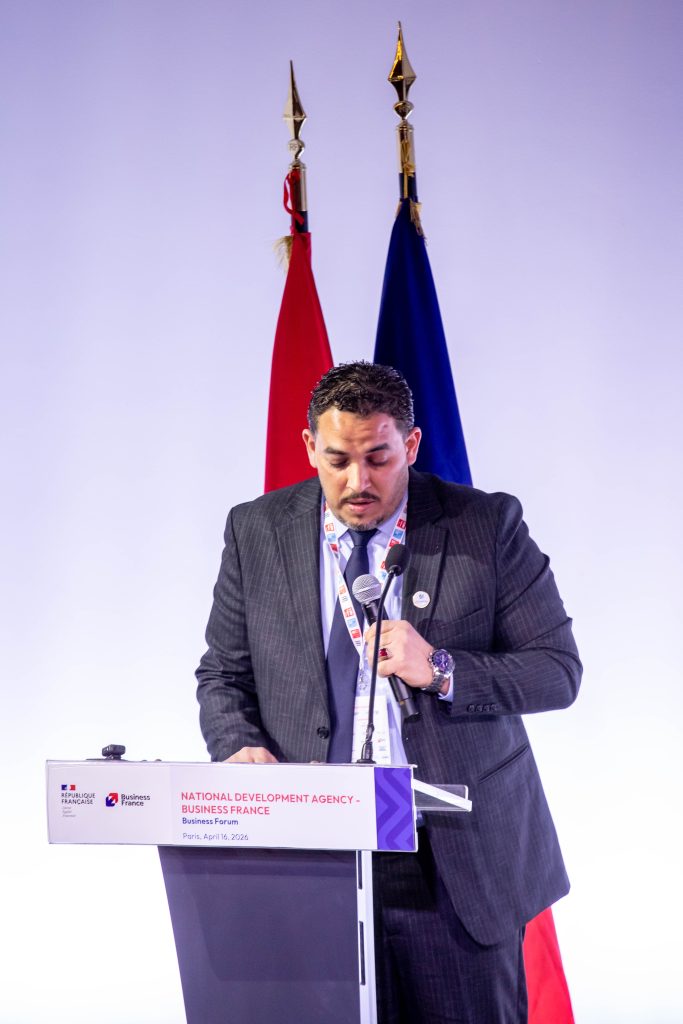
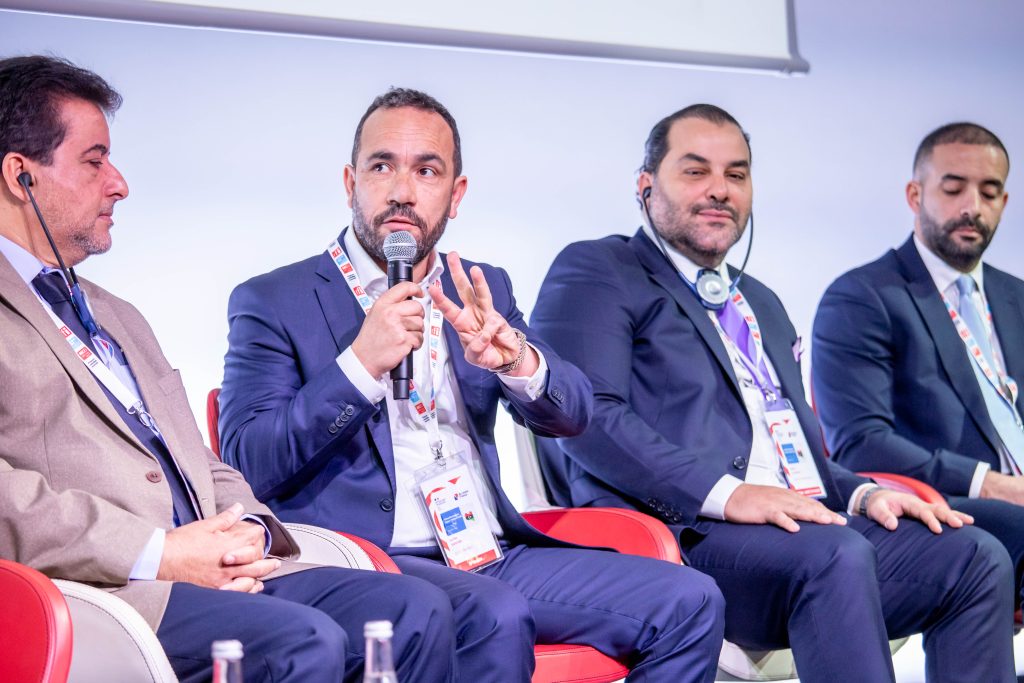
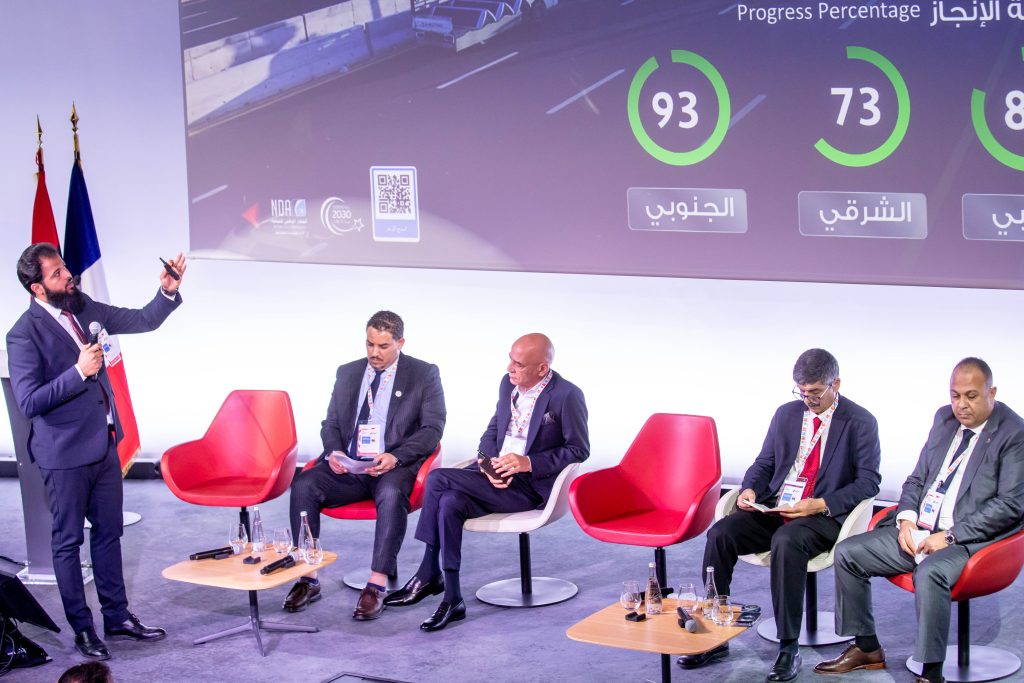
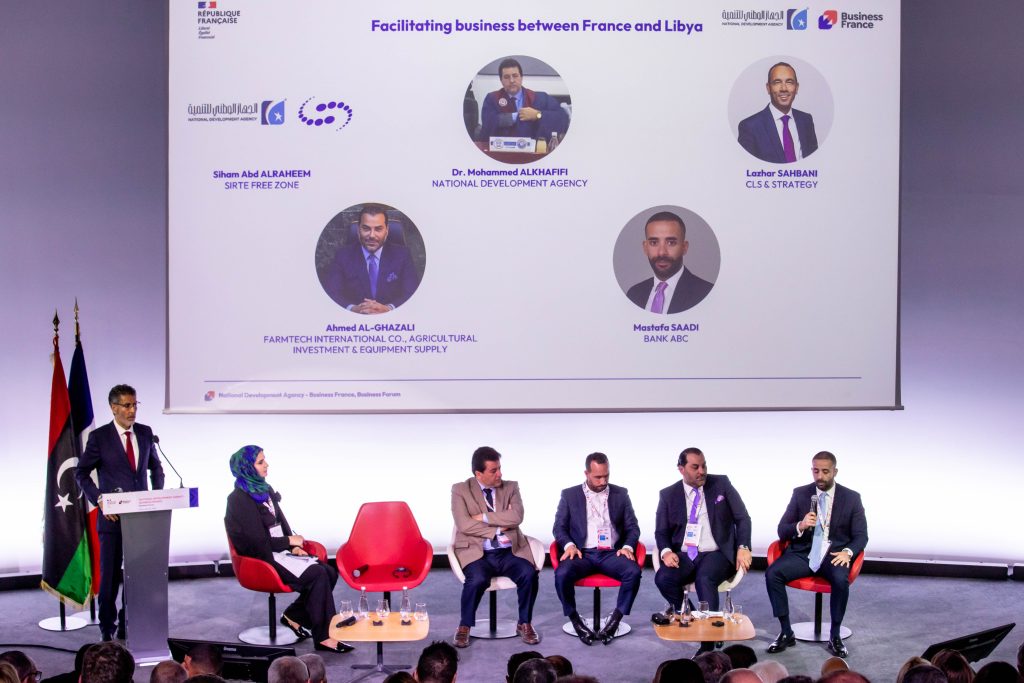
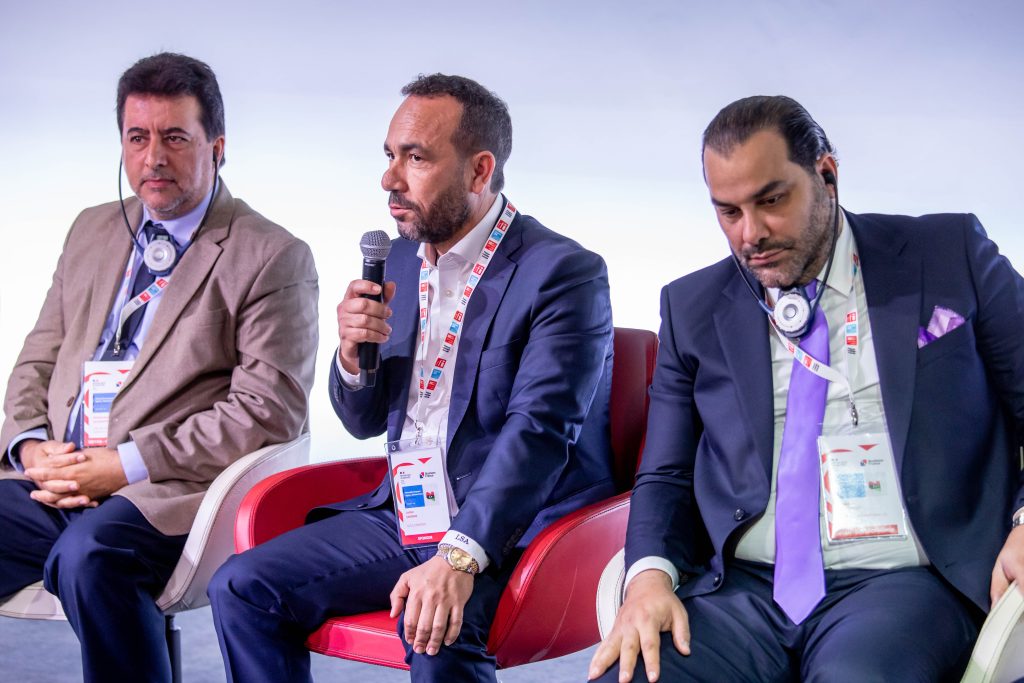
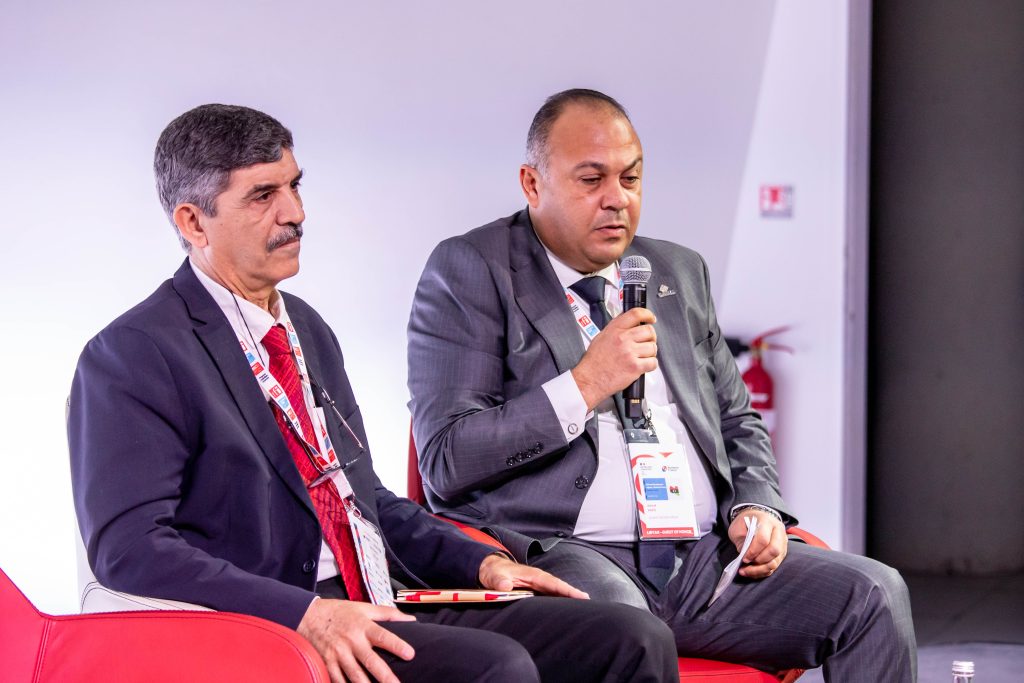
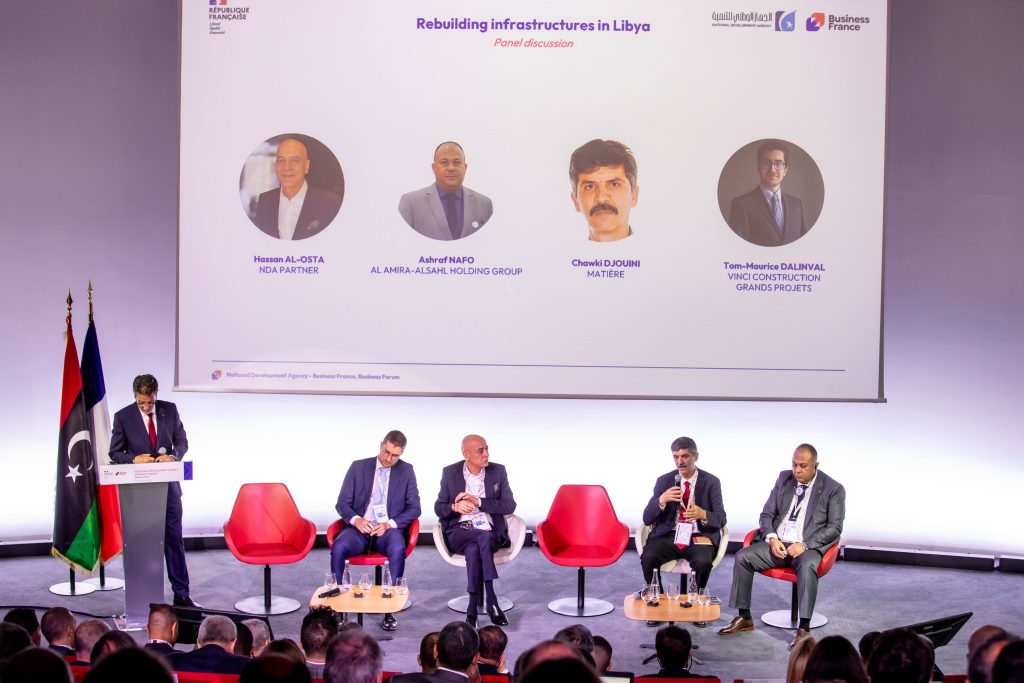
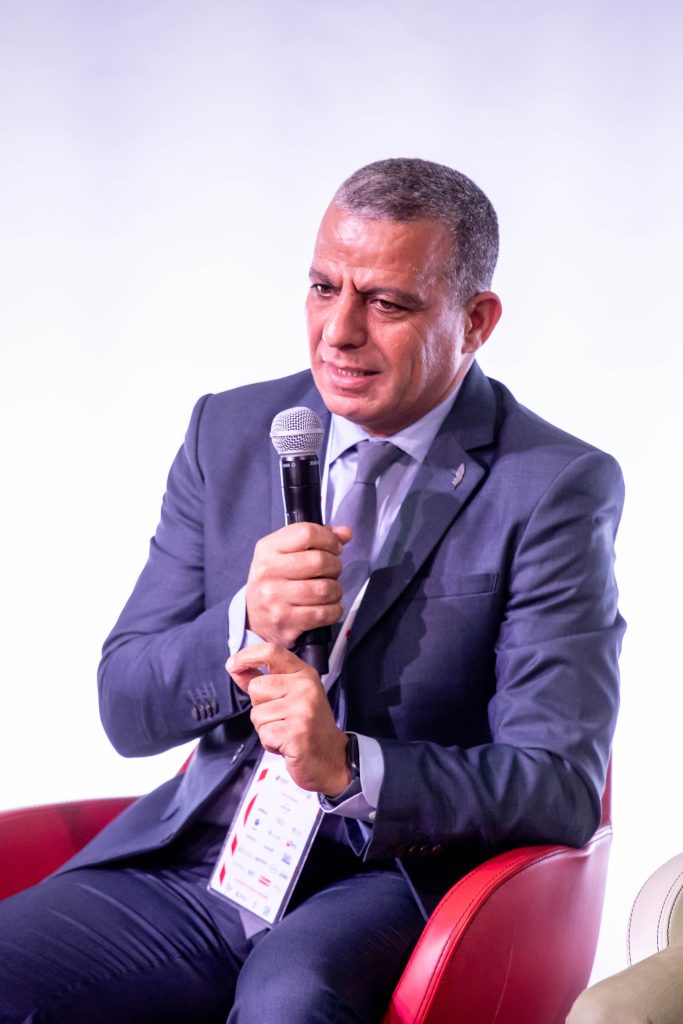
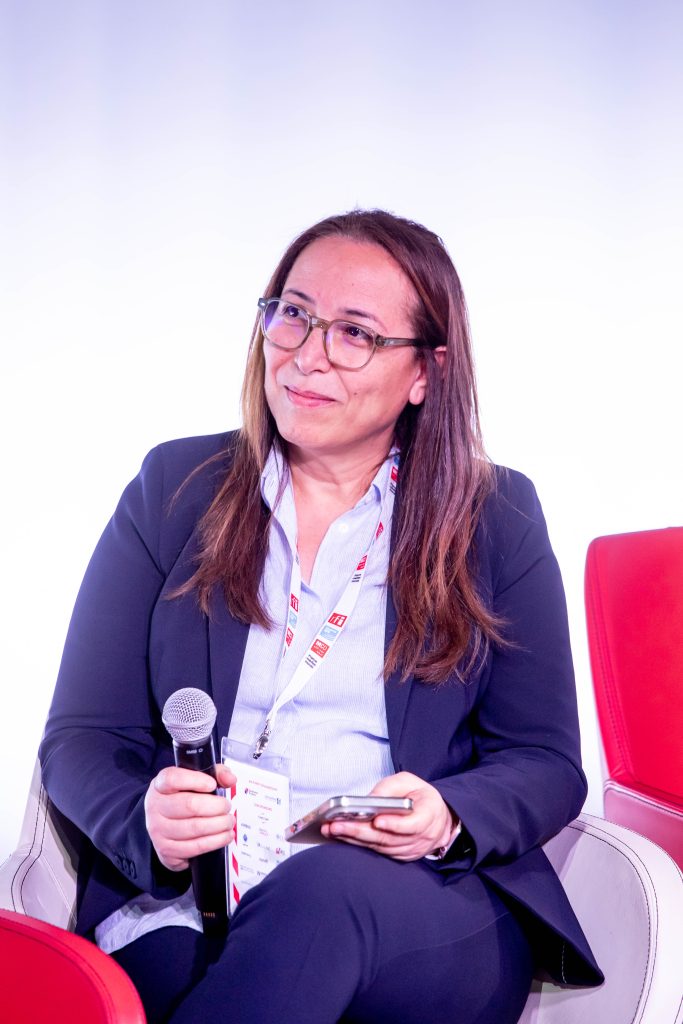
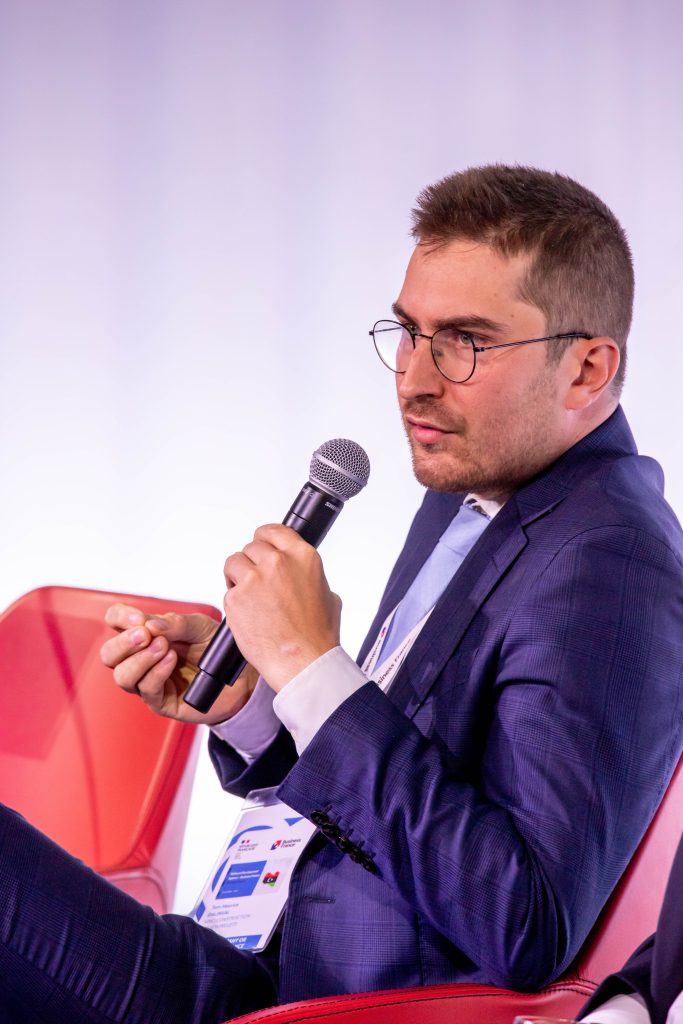
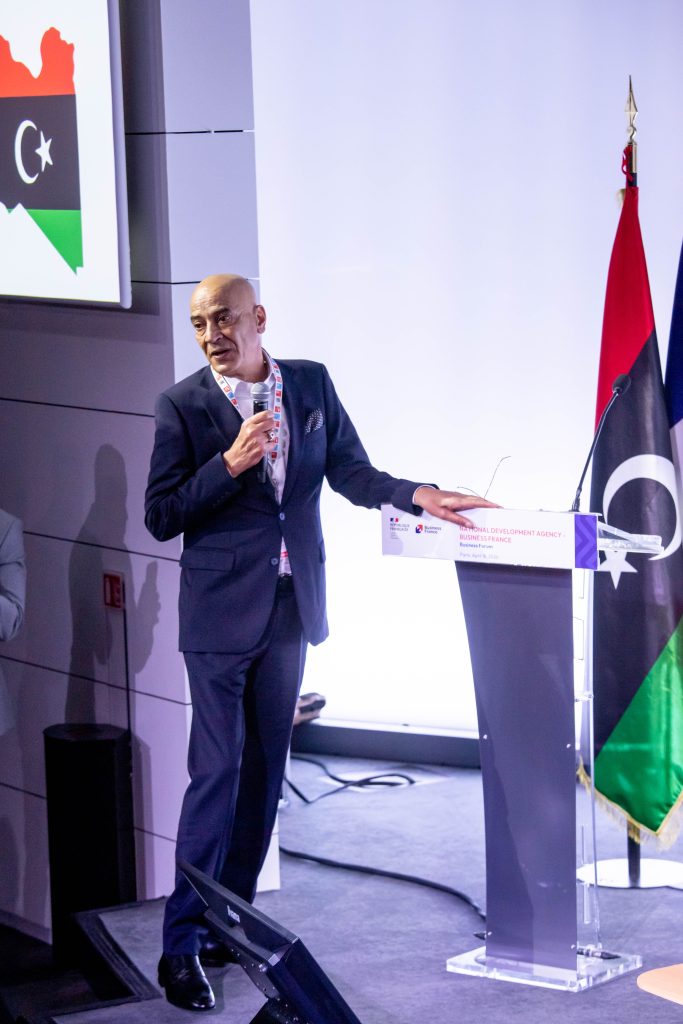

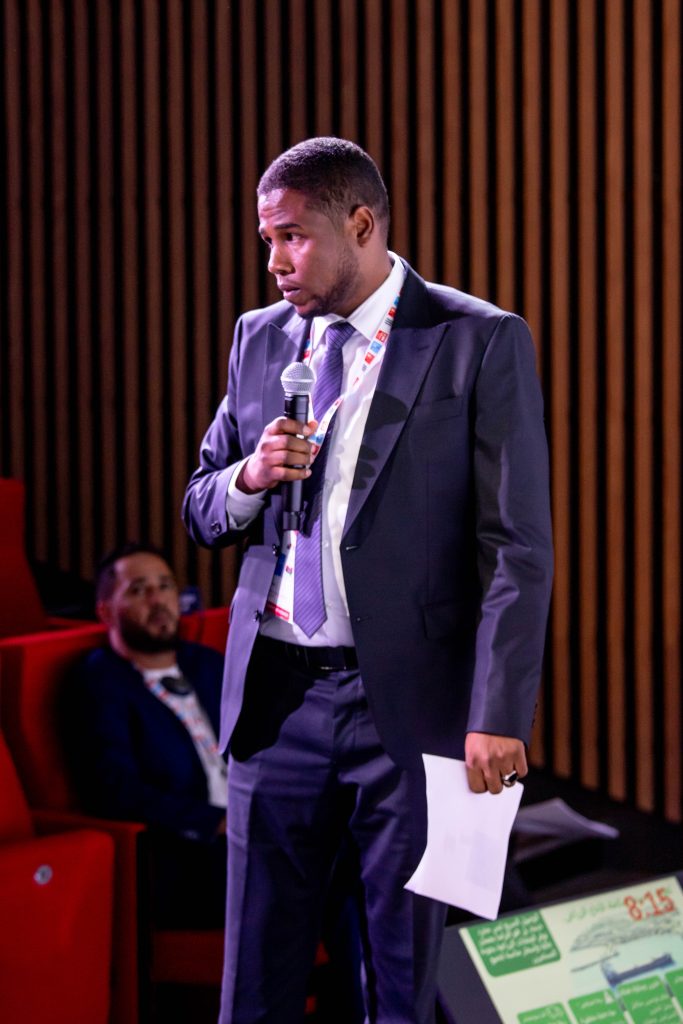
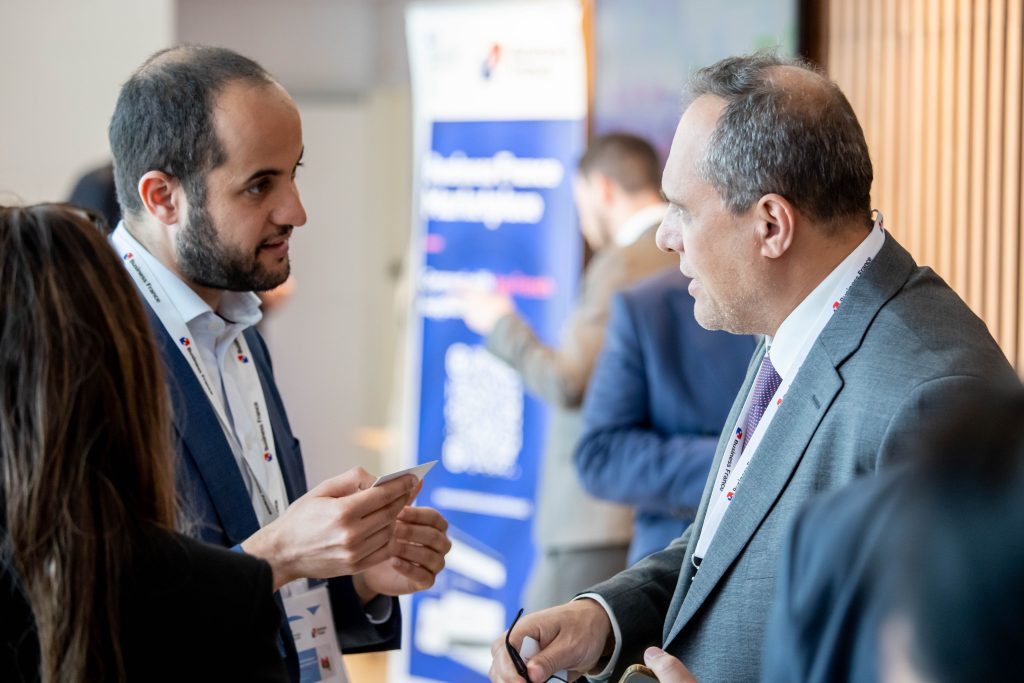
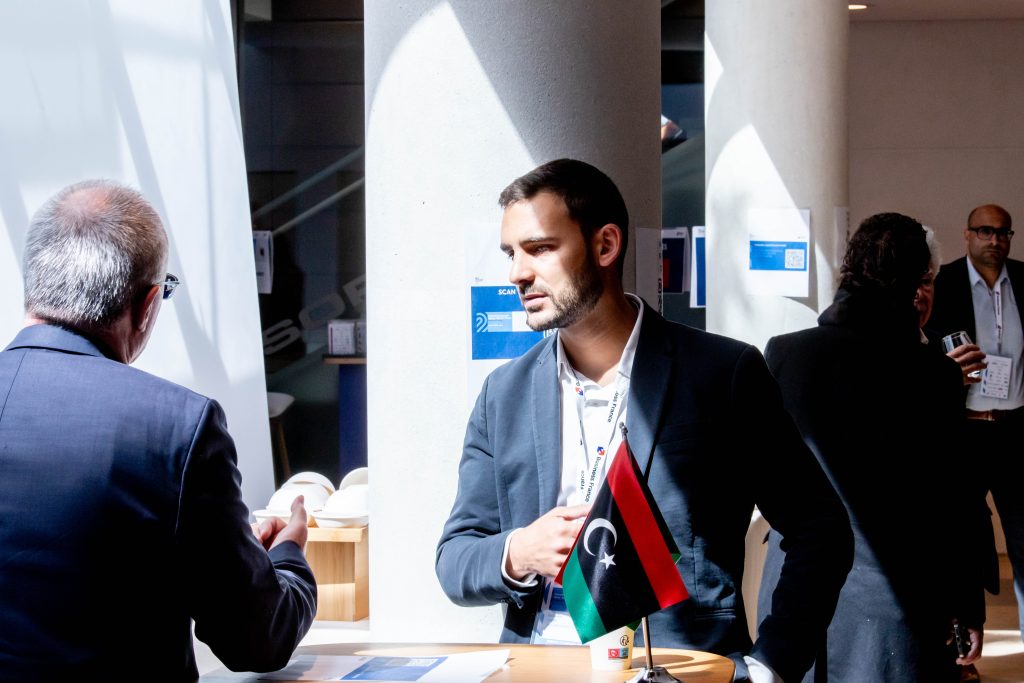
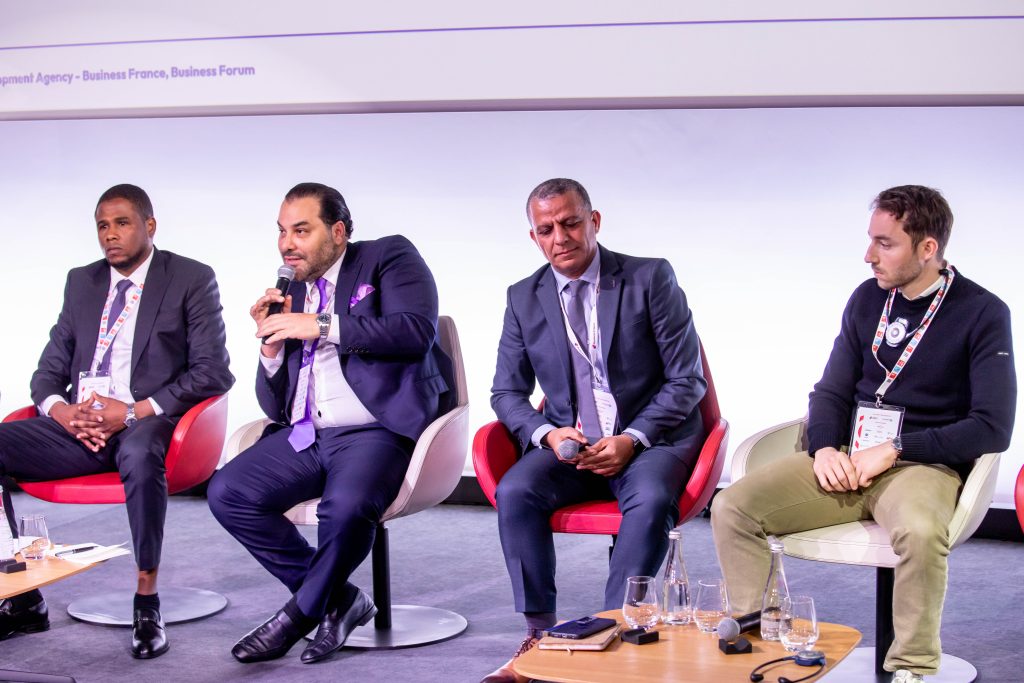
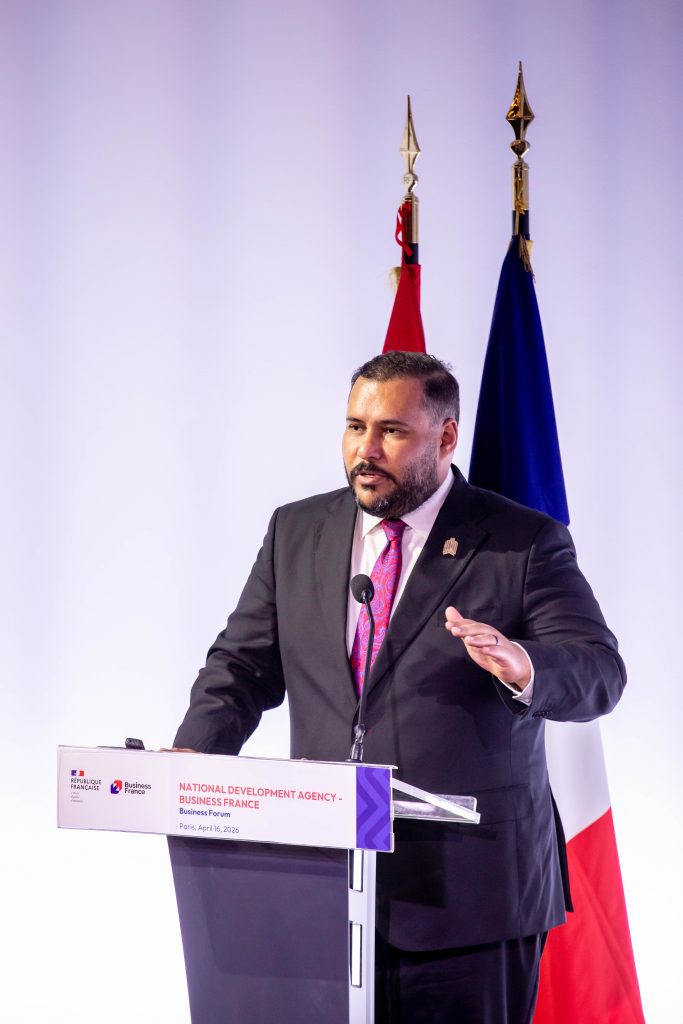
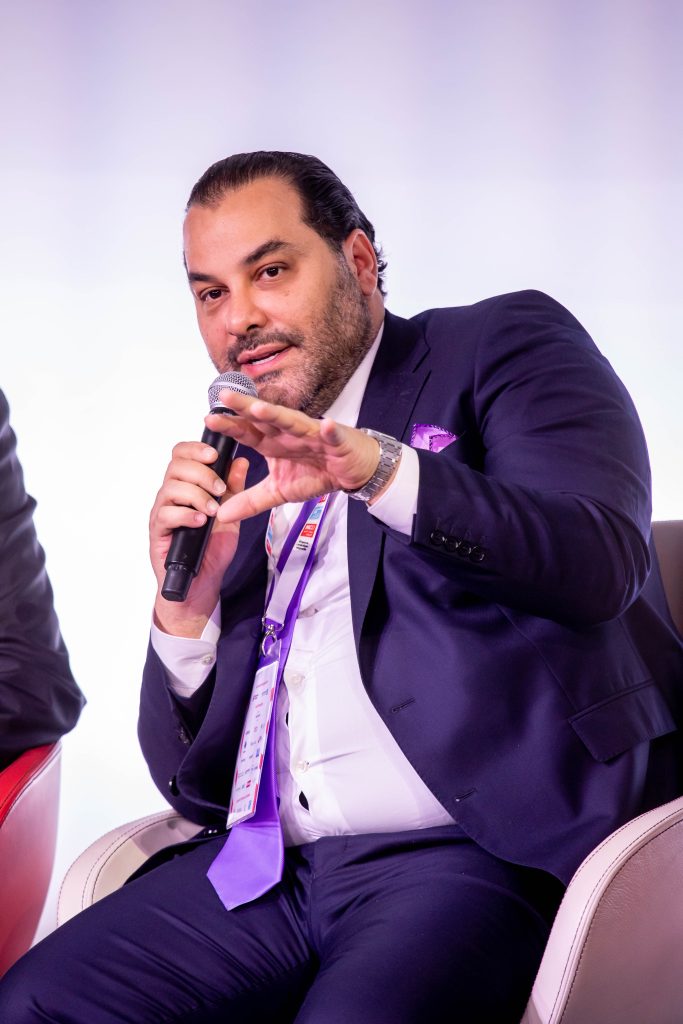
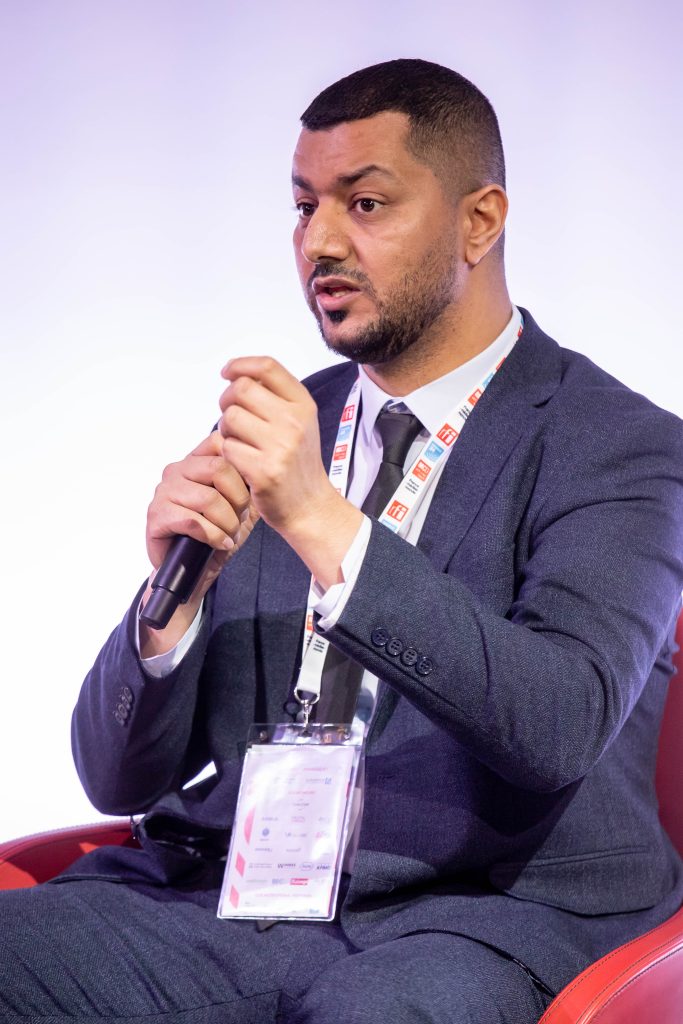
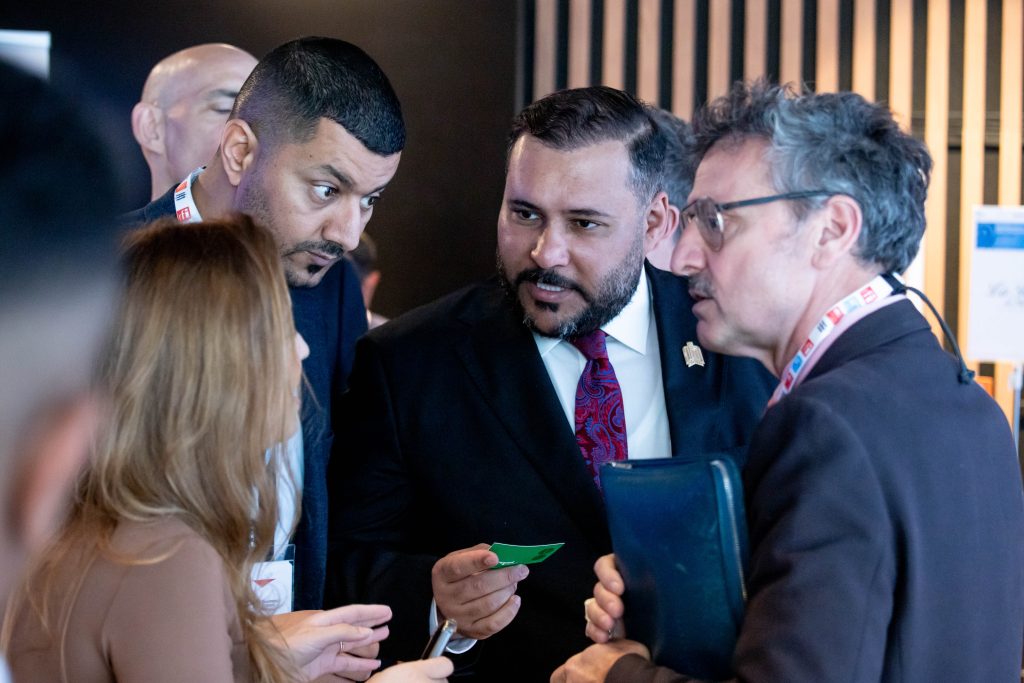
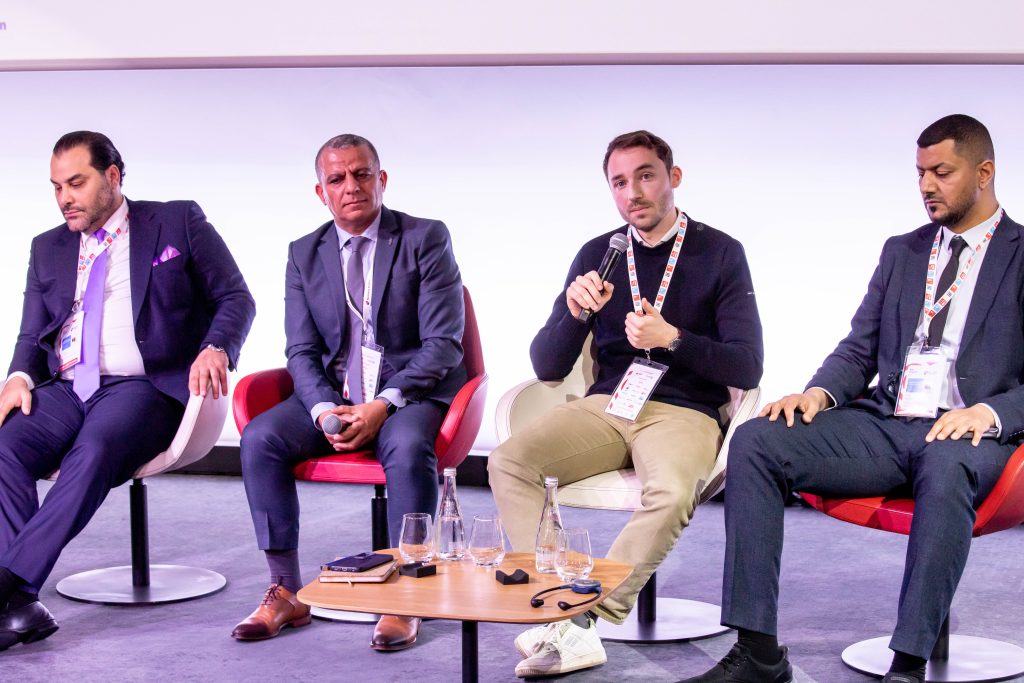
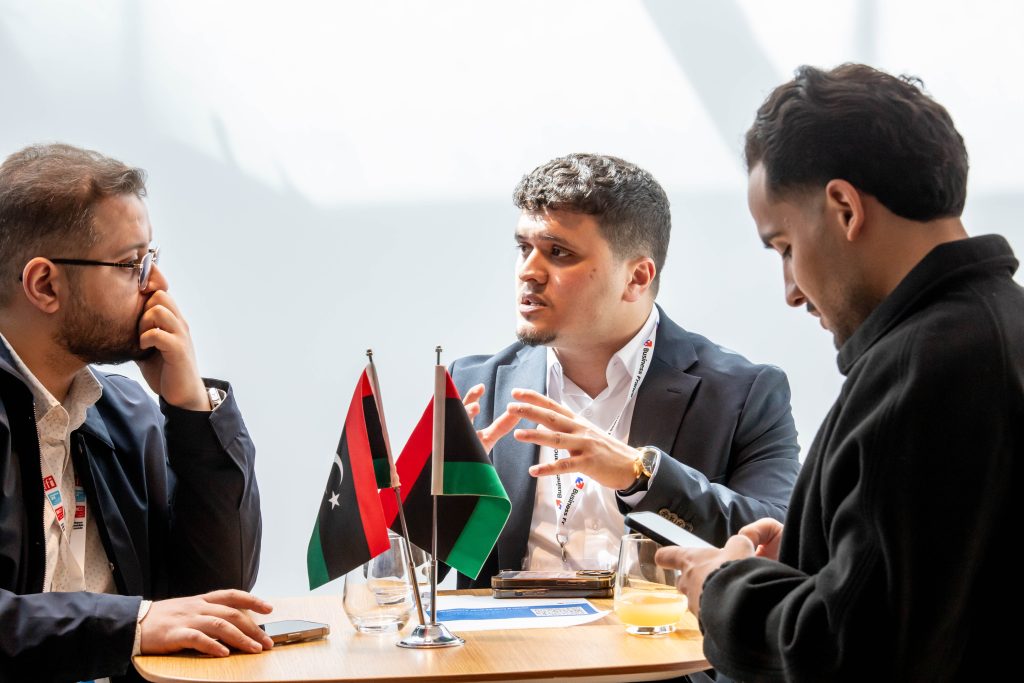
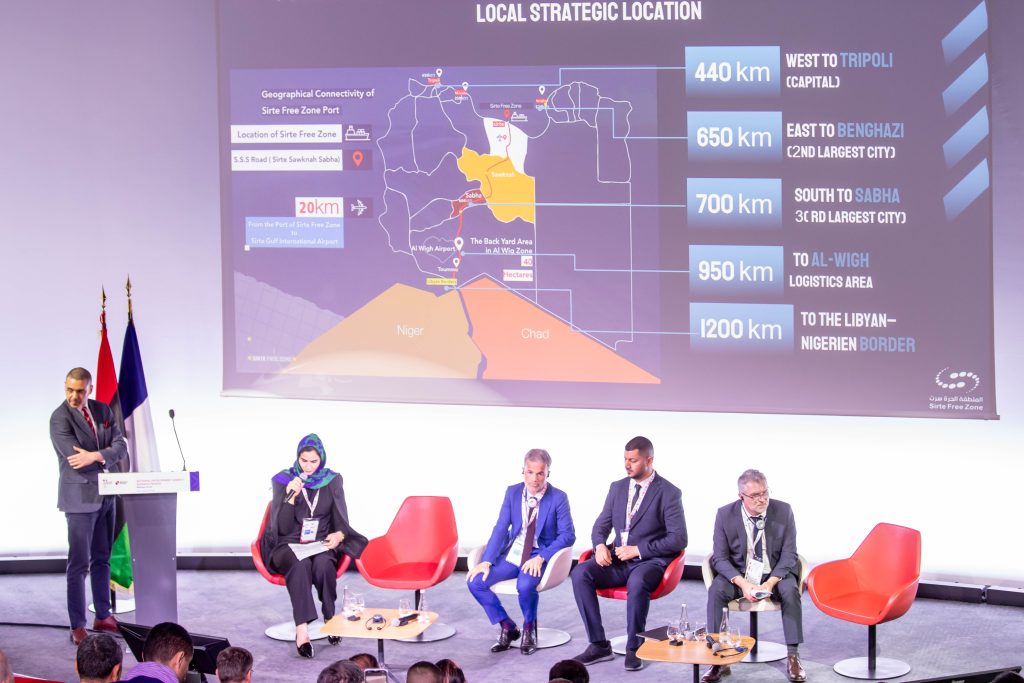
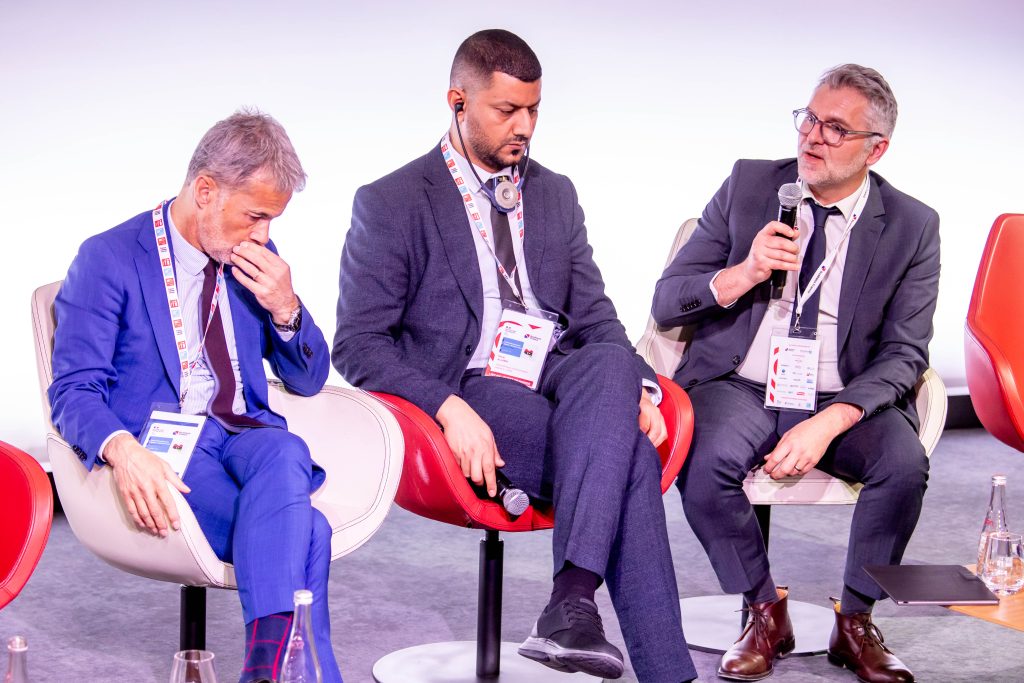
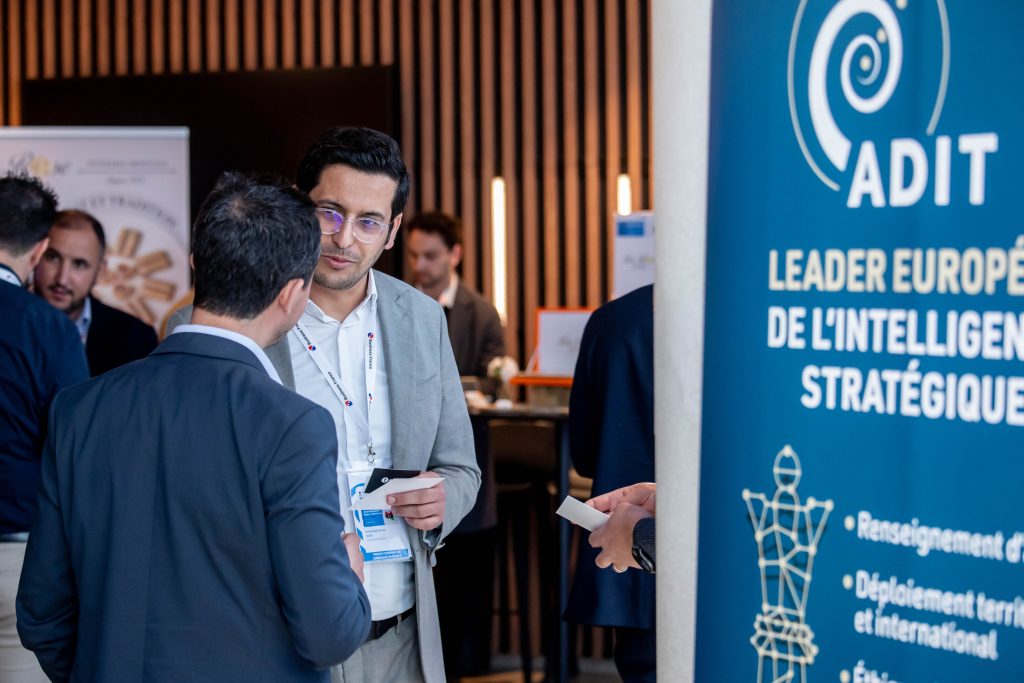
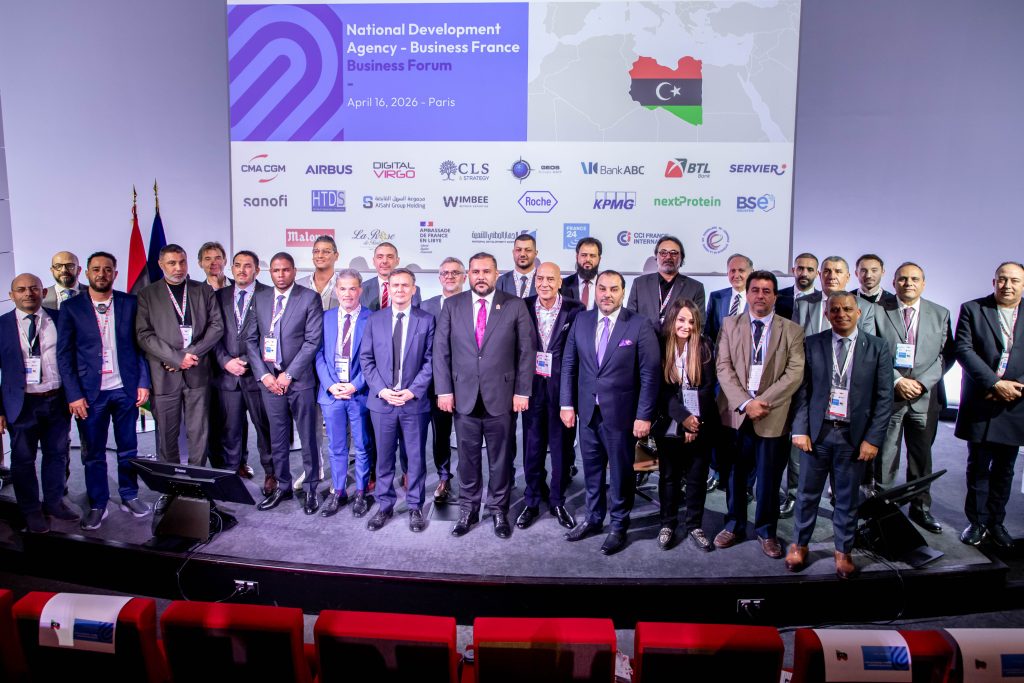
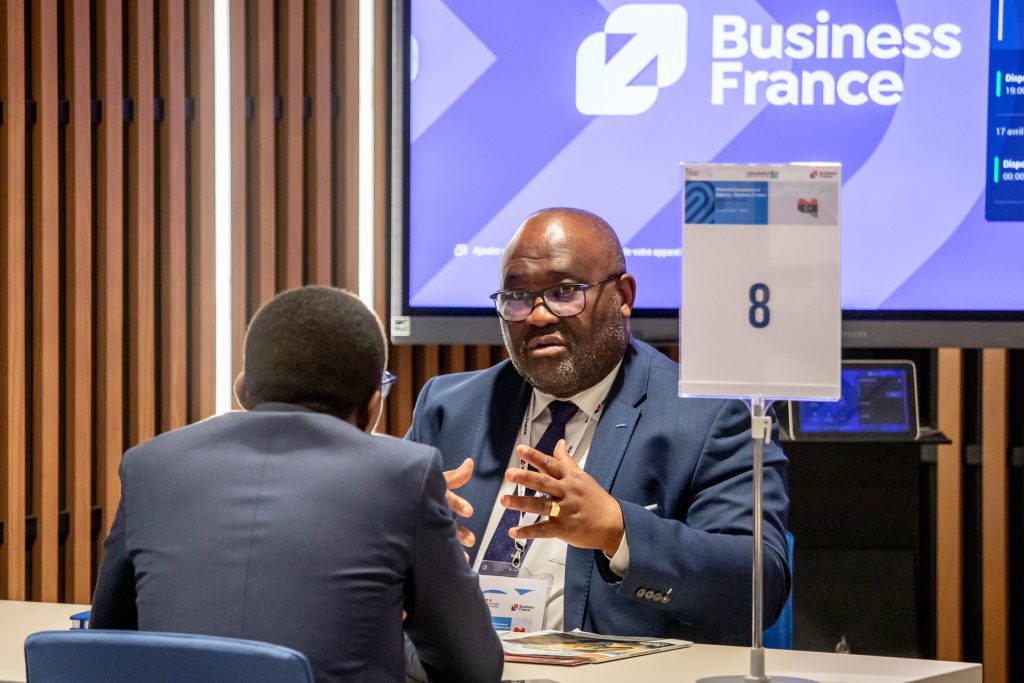
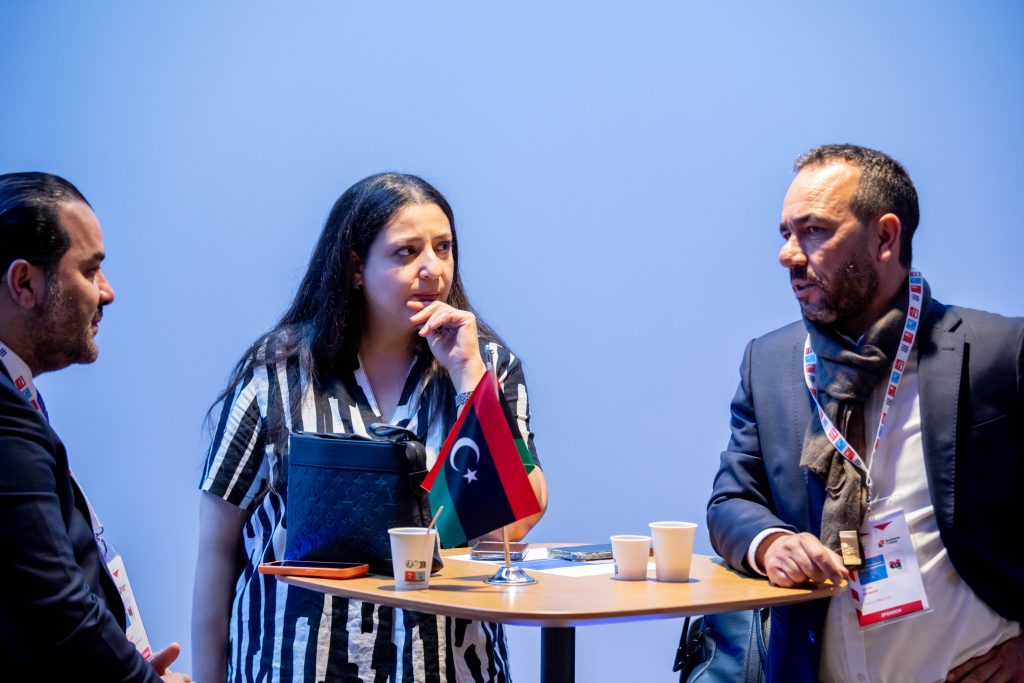
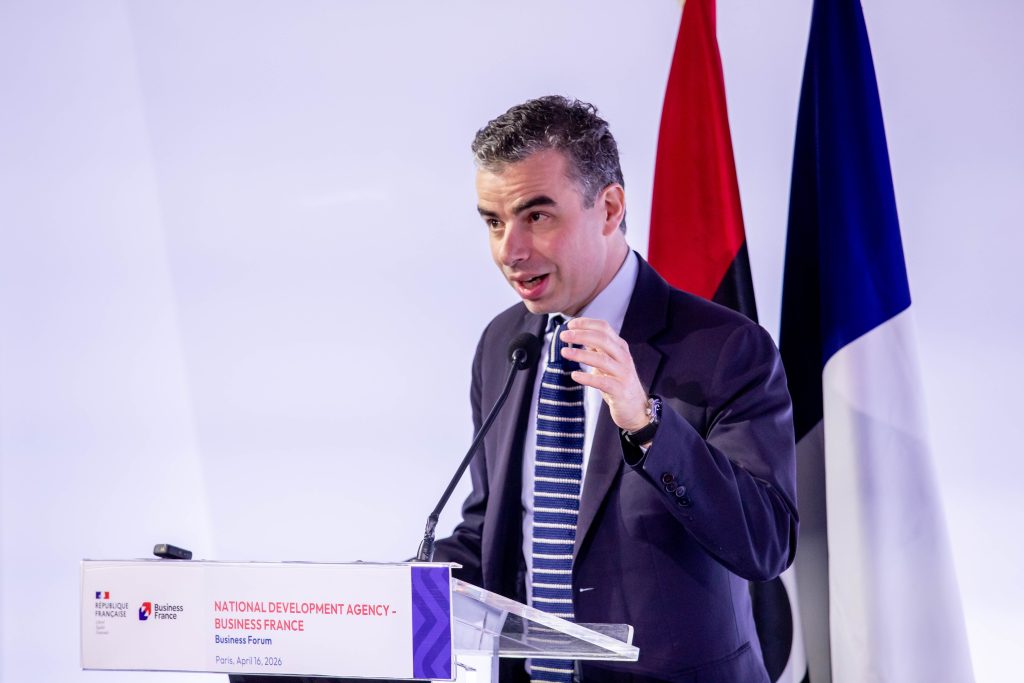
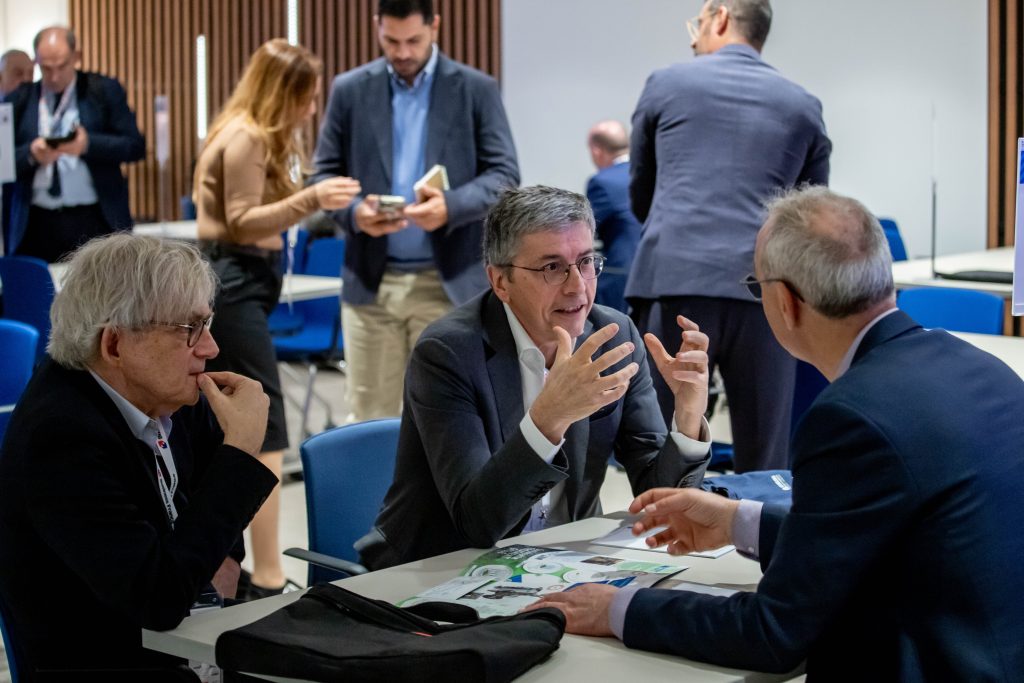
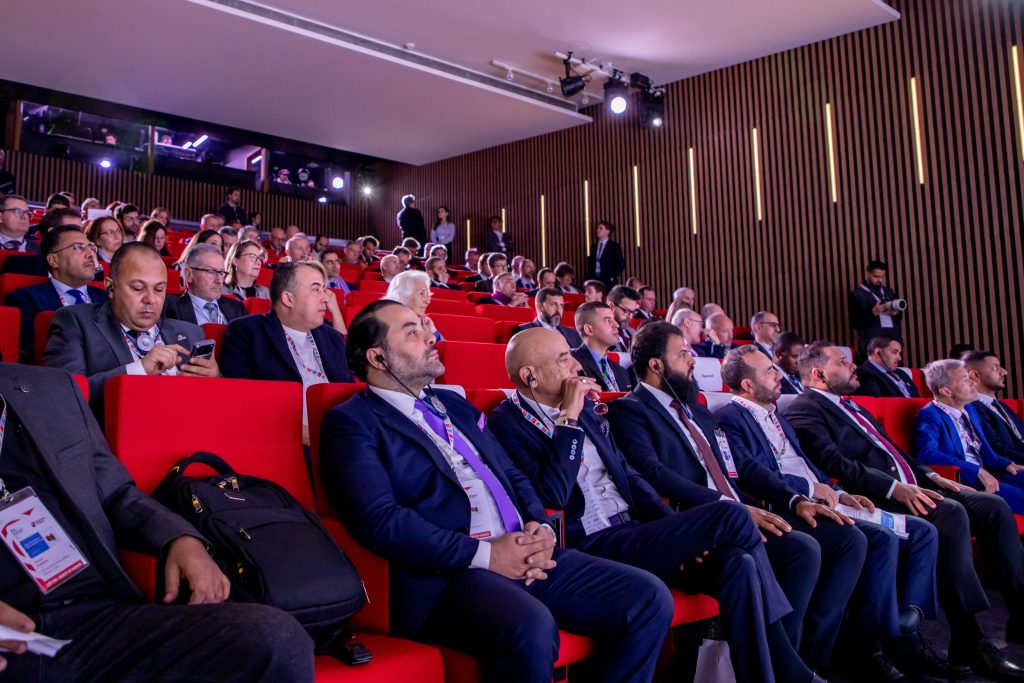
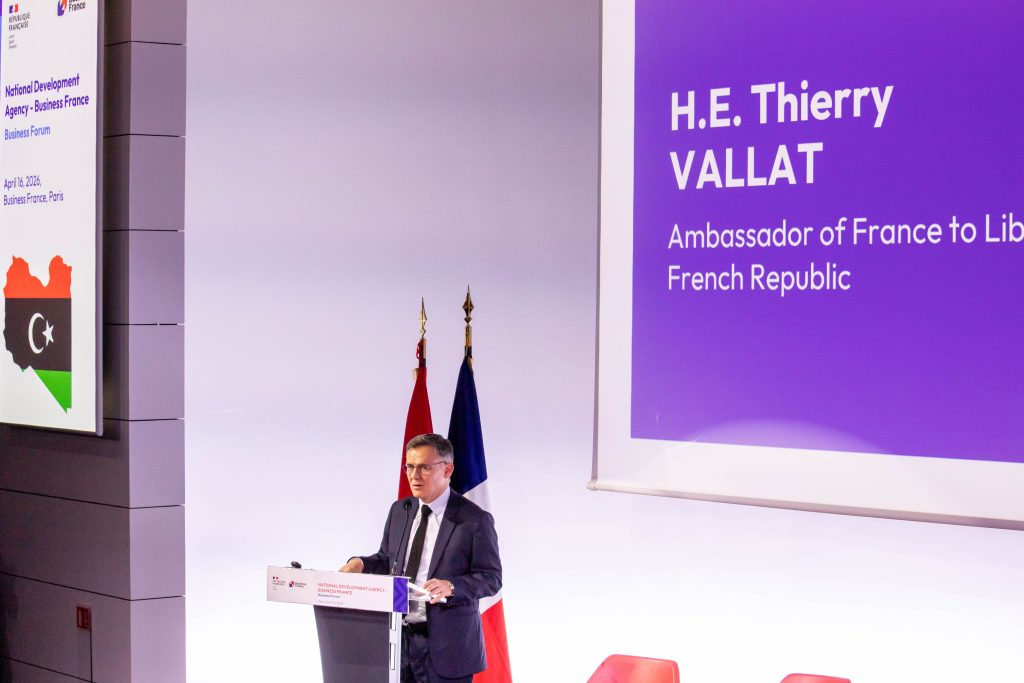
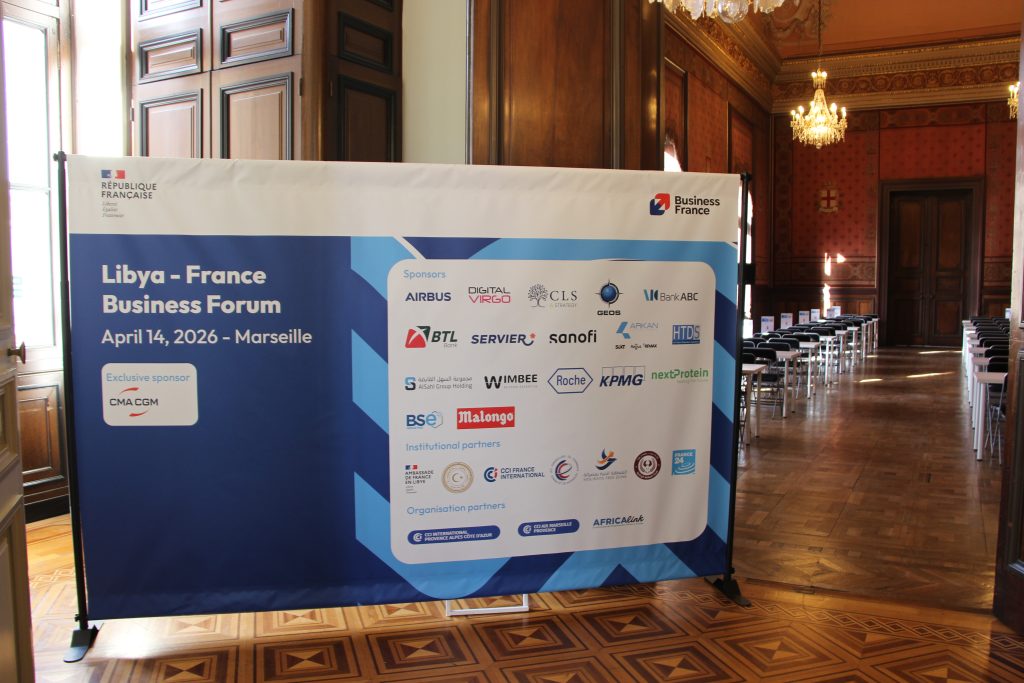
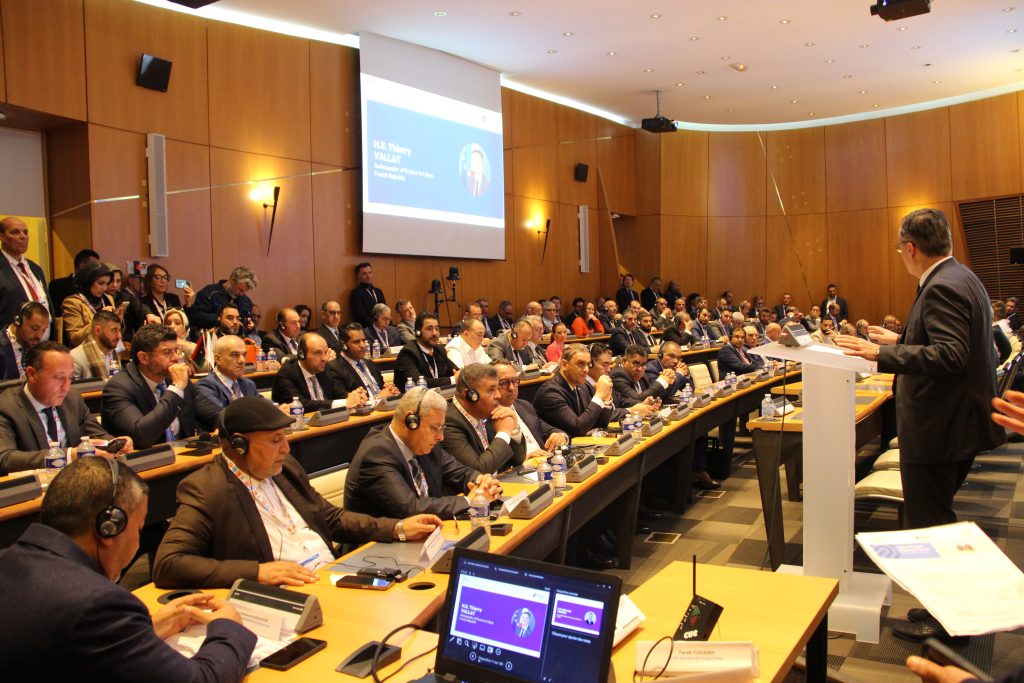
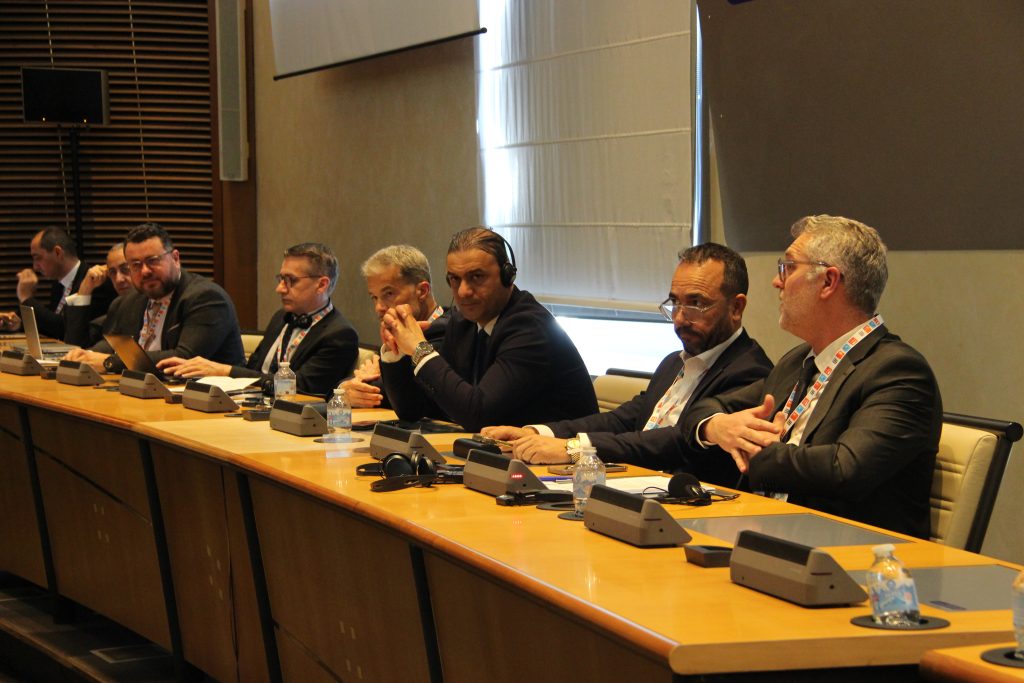
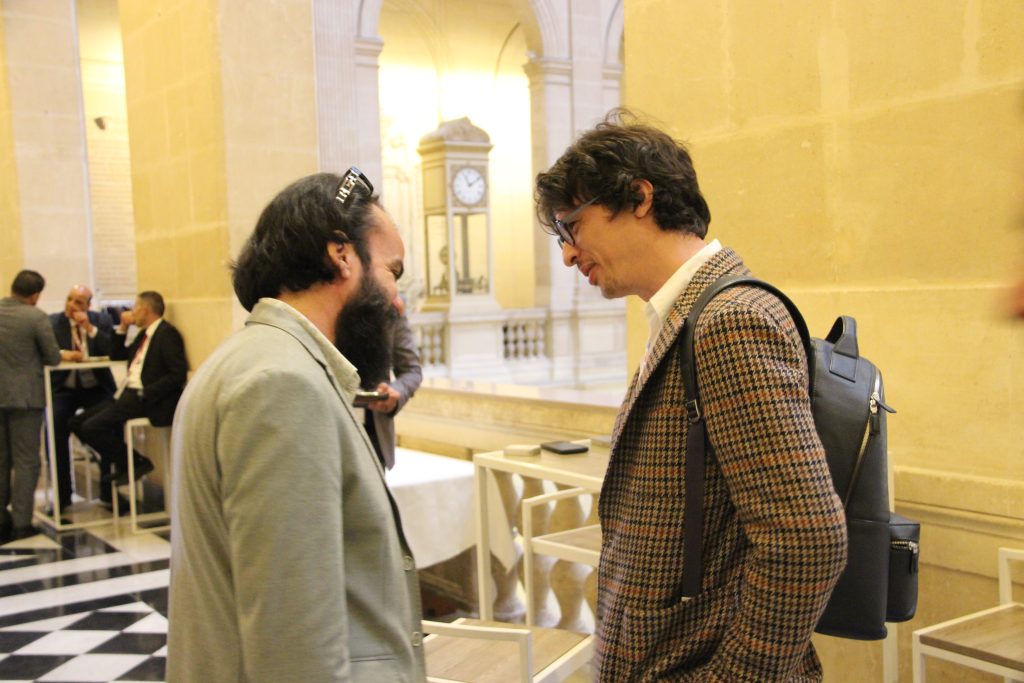
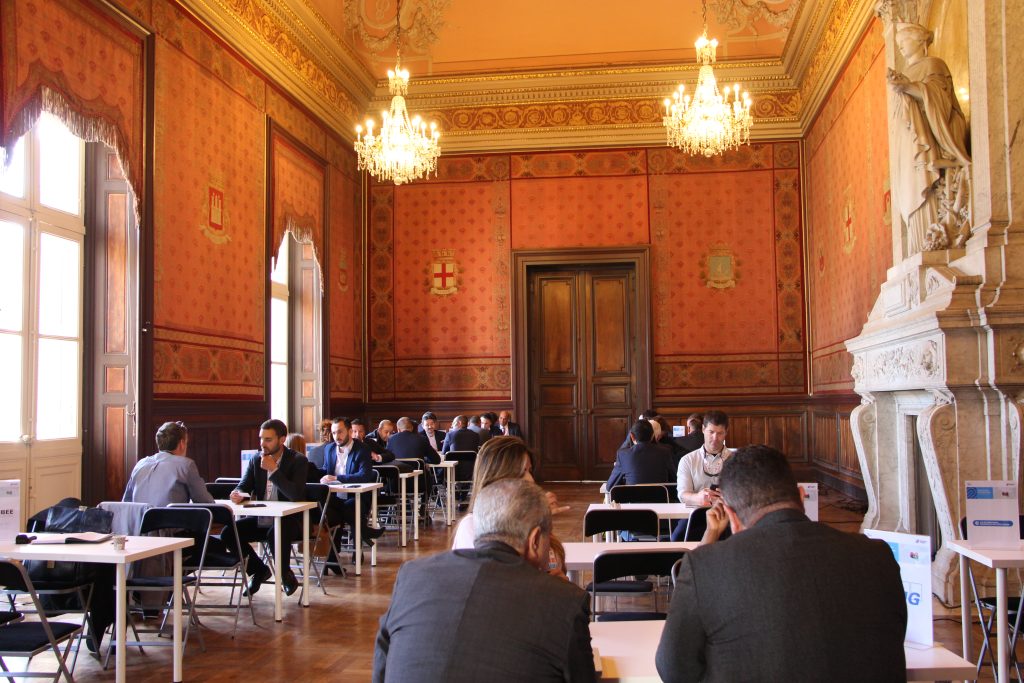
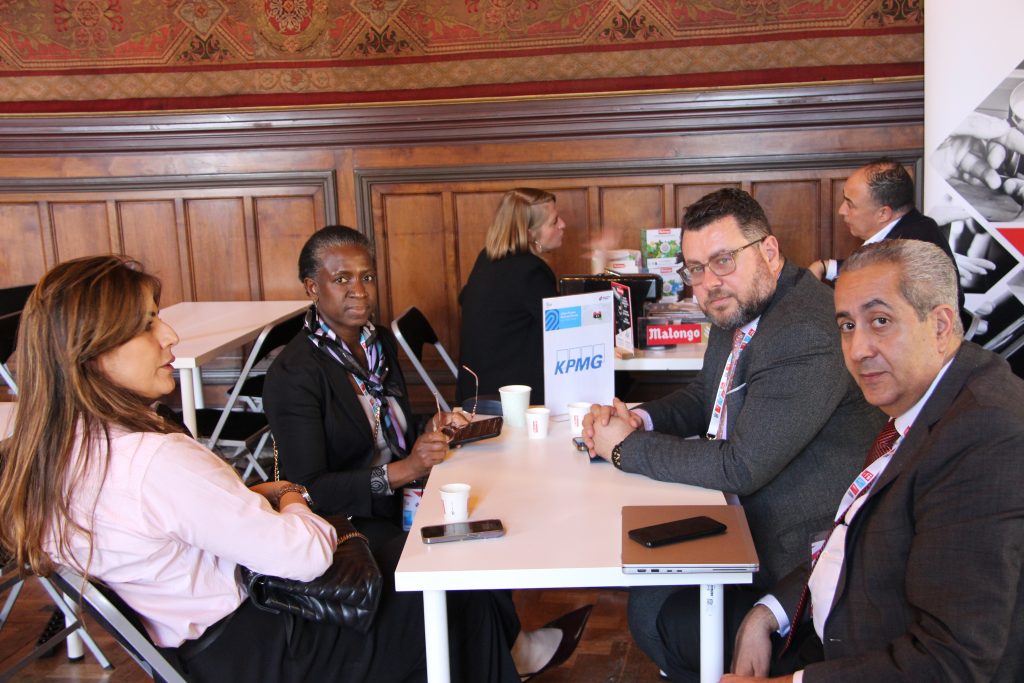
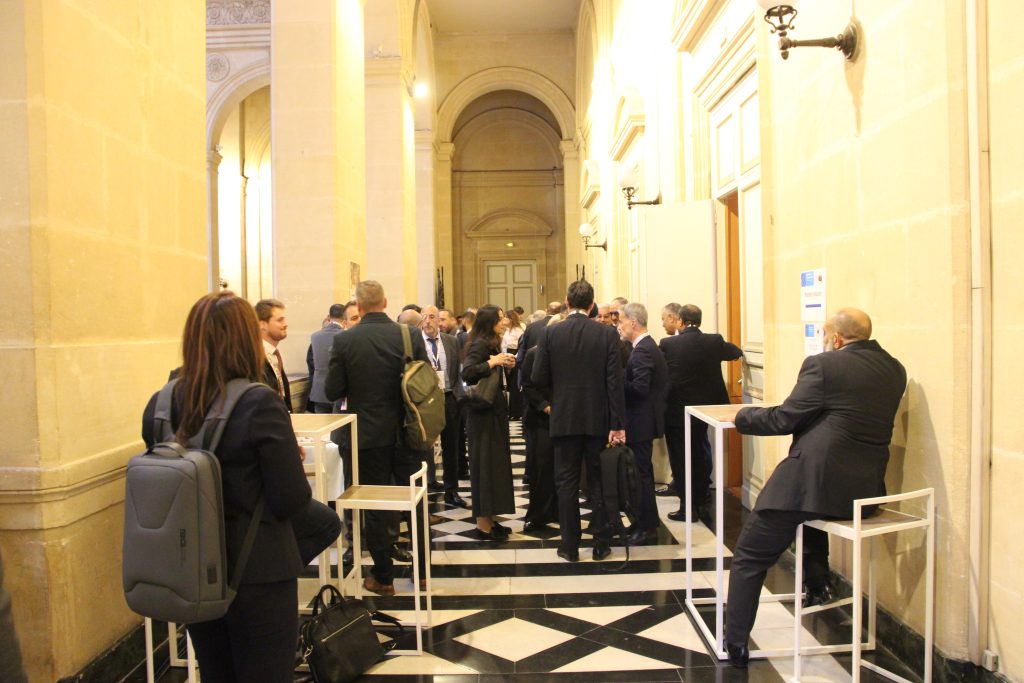
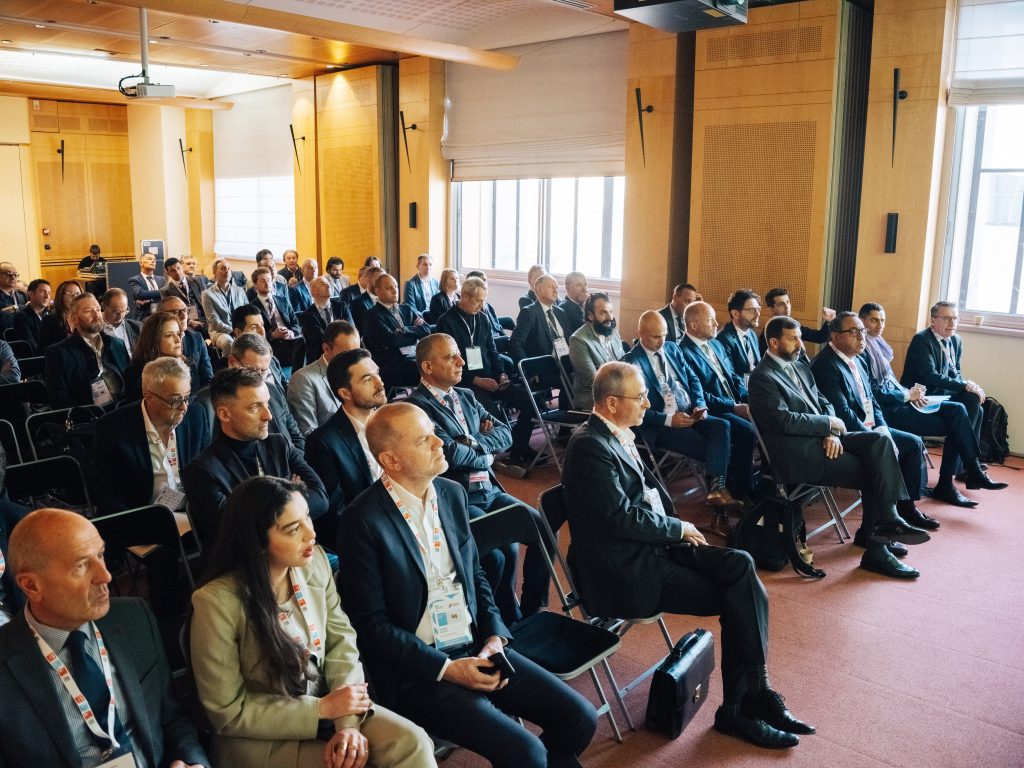
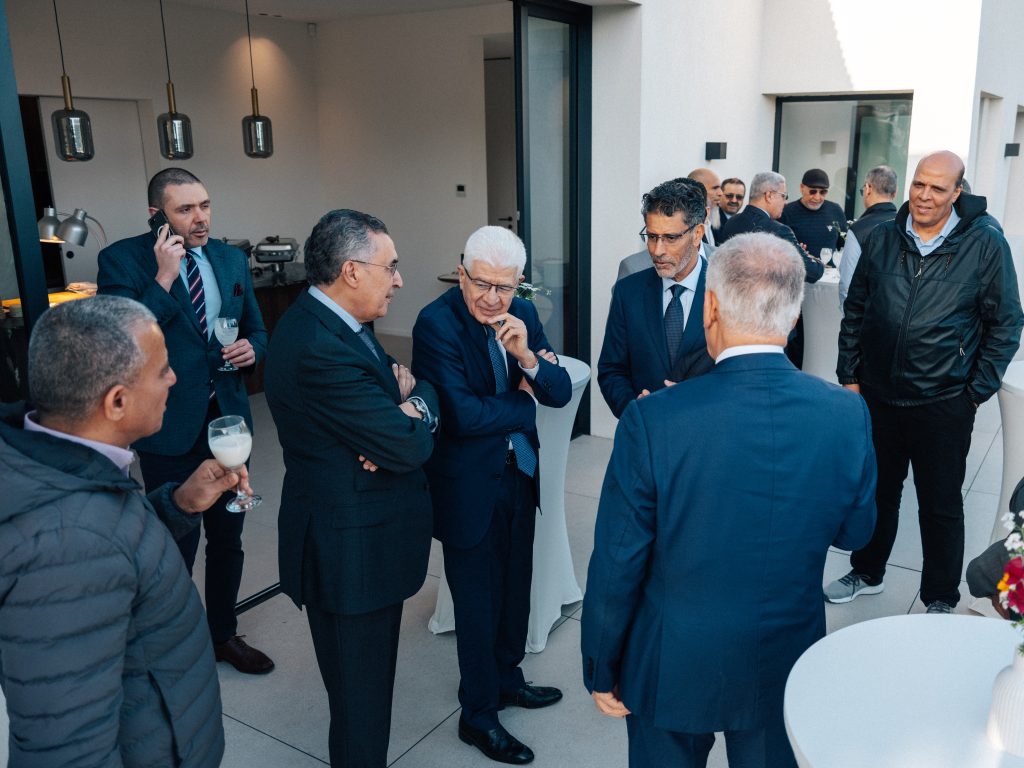
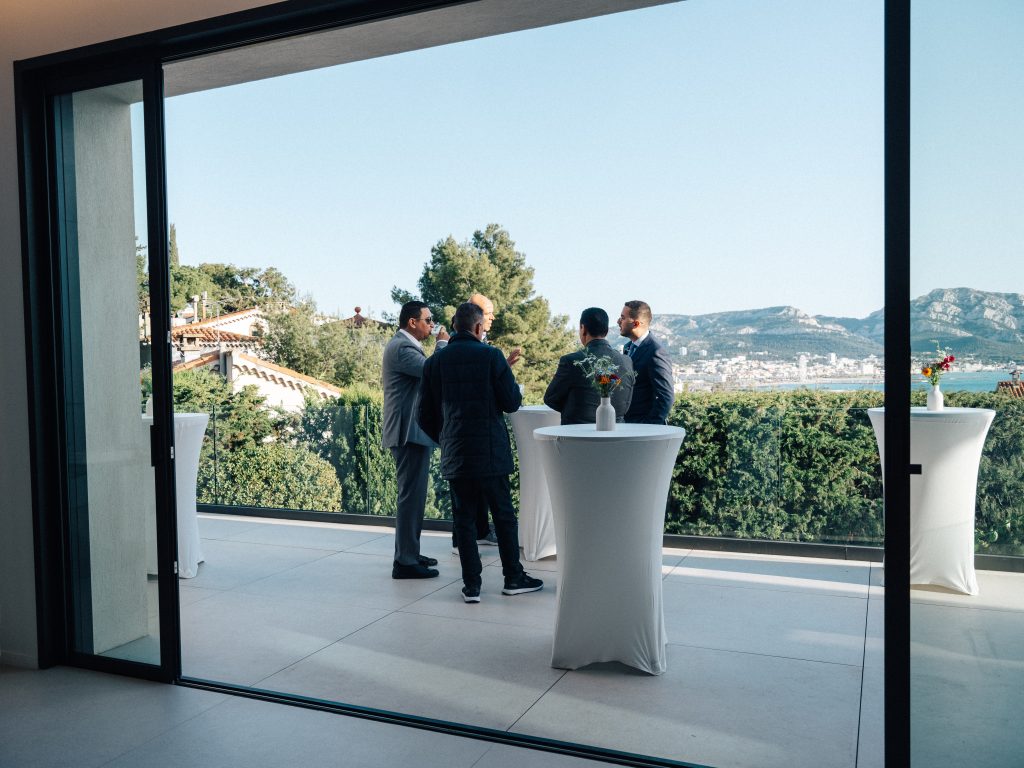
THE FORUM IN VIDEO

THANKS TO OUR SPONSORS










THANKS TO OUR INSTITUTIONAL PARTNERS


AN EVENT ORGANIZED BY




PROGRAM MARSEILLE & PARIS
MODERATOR
MARSEILLE & PARIS
SPEAKERS – MARSEILLE
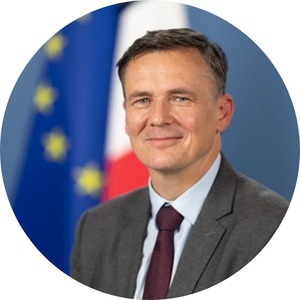
Ambassador of France to Libya, French Republic
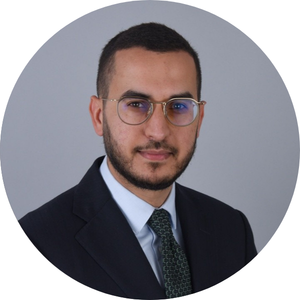
Chargé d’affaires, Embassy of Libya in France

Ambassador of France
to the Mediterranean Region,
French Republic
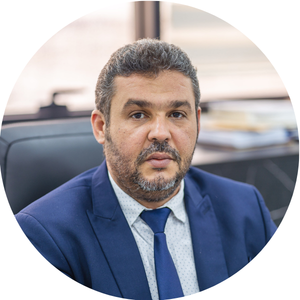
Marketing and Cooperation Director, Misurata Free Zone
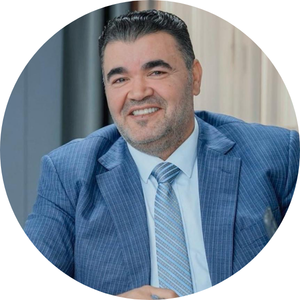
Chairman, Privatization & Investment Board

Renewable Energy Authority, Libya

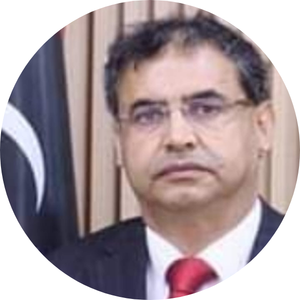
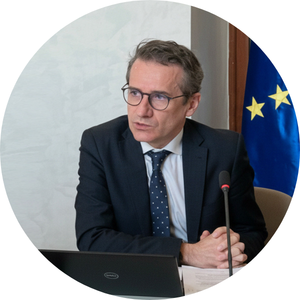
Head of the Economic Department for Tunisia & Libya, French Treasury
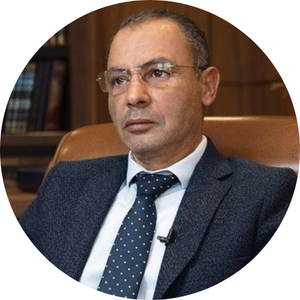
Chairman, Great Man-Made River Authority, Libya
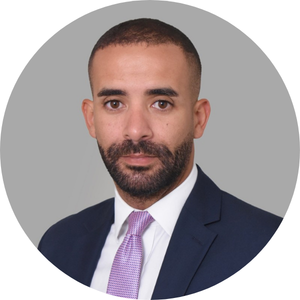
Vice-President, Senior relationship manager, Bank ABC (London branch)
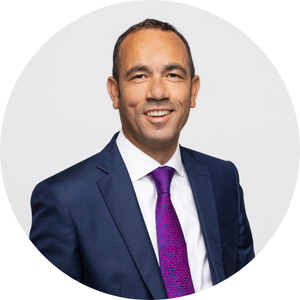
Founding Partner, CLS & Strategy

Partner, CLS & Strategy

Partner, CLS & Strategy

CEO, Mediterranean Water Institute
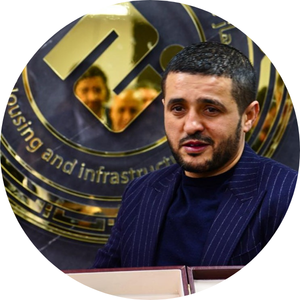
General Manager, Housing & Infrastructure Board, Libya

Country Lead Morocco, Tunisia & Libya, Sanofi

General Director, Medical Training Innovation (MTI)

Vice-President MENA & Turkey, Digital Virgo

Libya Country Lead, Business France

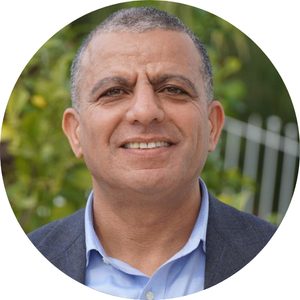
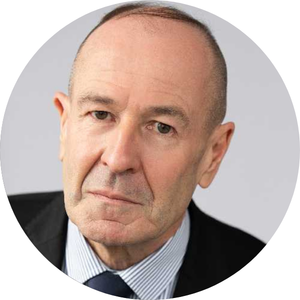






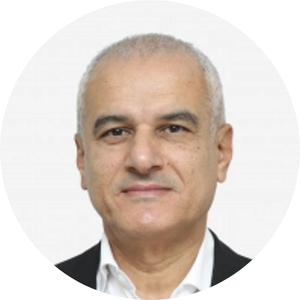
Partner, Forvis Mazars

Treasurer & Vice President, Aix-Marseille-Provence Chamber of Commerce and Industry
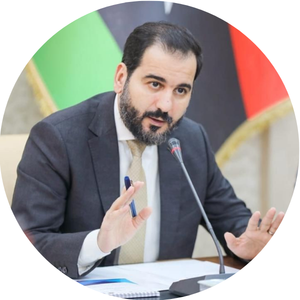
Director, National Cancer Control Authority

SPEAKERS – PARIS

Ambassador of France to Libya, French Republic


Director General, National Development Agency (NDA)
Libya Country Lead, Business France
General Director, Medical Training Innovation (MTI)


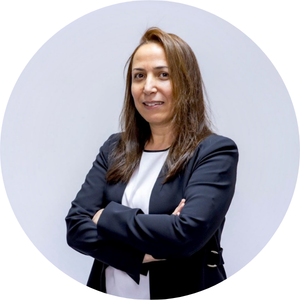
Founding Partner, CLS & Strategy
Vice-President, Senior relationship manager, Bank ABC (London branch)


AL-OSTA
Partner – National Development Agency (NDA)

AL-GHAZALIChairman, FarmTech International Co., Agricultural Investment & Equipment Supply


SULIMANDirector of Strategic Projects, National Development Agency (NDA)
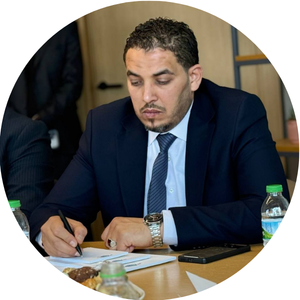
AL BOUSIFIDirector of General Projects, National Development Agency (NDA)
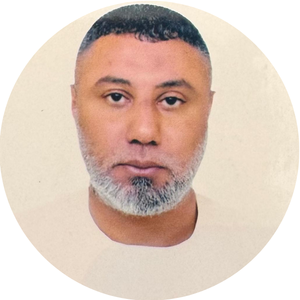
AL-AGHIGHI
National Development Agency (NDA)

Director of Agricultural Projects, National Development Agency (NDA)